
Water softeners · Bountiful, UT
Scale on Fixtures and Heaters? Water Softener Installation in Bountiful, Explained
White crust on faucets, spotted glassware and a water heater that rumbles are the usual signs of hard water. A softener is the standard fix, but it is a purchase worth testing first, because the right system depends on how hard your water actually is and what you want it to protect. For water softener installation, Bountiful homeowners should settle the hardness question first, because the right size follows from it.
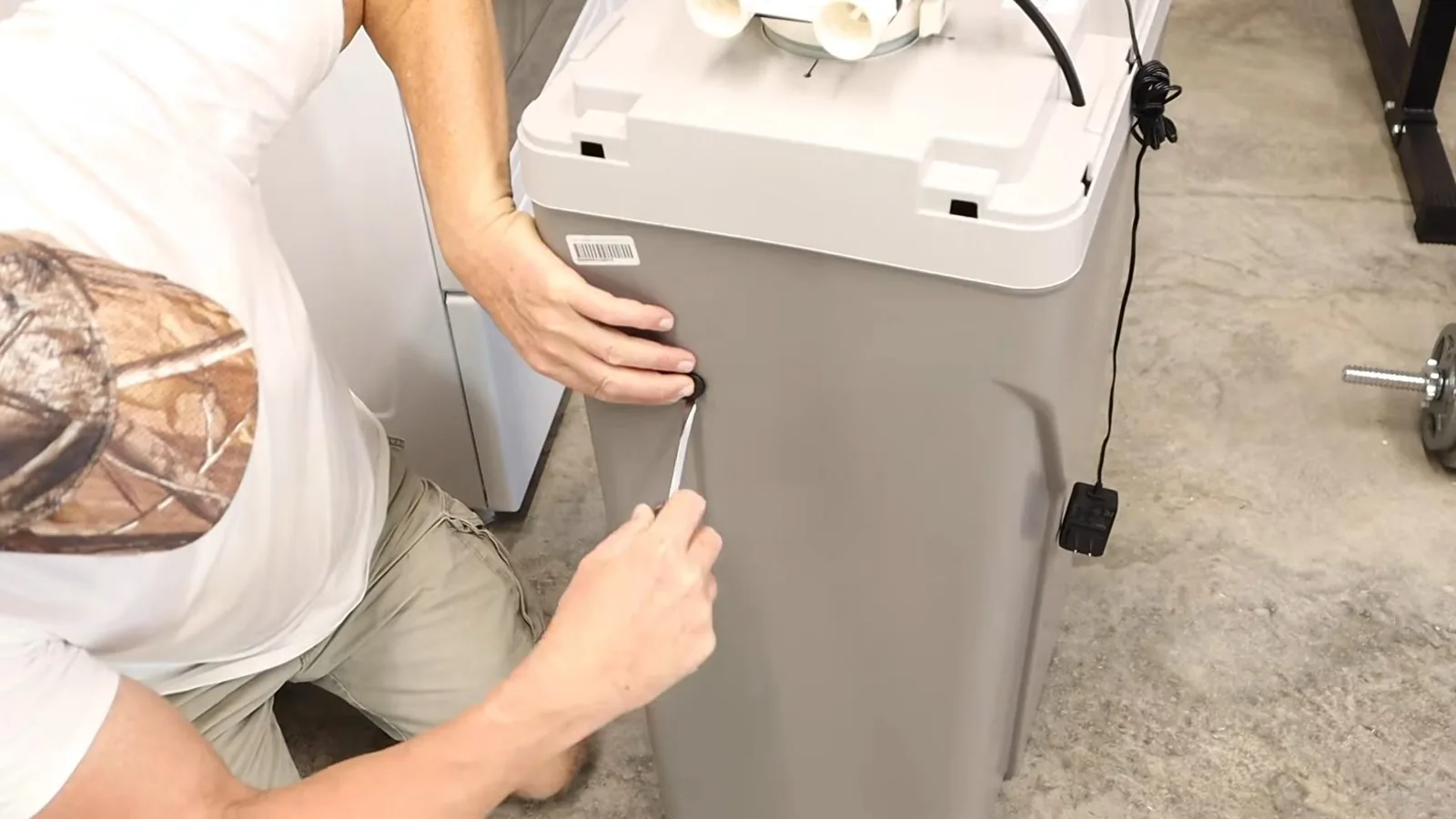
Is hard water your problem? What to look for before you buy
Hard water carries dissolved calcium and magnesium. They leave scale where water evaporates or is heated. The signs are easy to see:
- White or chalky crust around faucets, showerheads and the base of the tub.
- Spots on dishes and glasses even after a full wash cycle.
- Soap that does not lather well, and skin or hair that feels dry after a shower.
- A water heater that rumbles or runs out of hot water sooner than it used to.
These signs say the water is hard. They do not say how hard, and a softener should be sized to a number, not a feeling. That is the first decision, and it comes before any equipment.
How hard is Bountiful water? Get a tap test first
Bountiful runs its own system. About 60 percent of the supply comes from wells, about 20 percent from Mill Creek and about 20 percent from the Weber River, according to the city's 2025 water quality report. The report calls the water relatively hard, especially from the wells, and it gives no hardness figure.
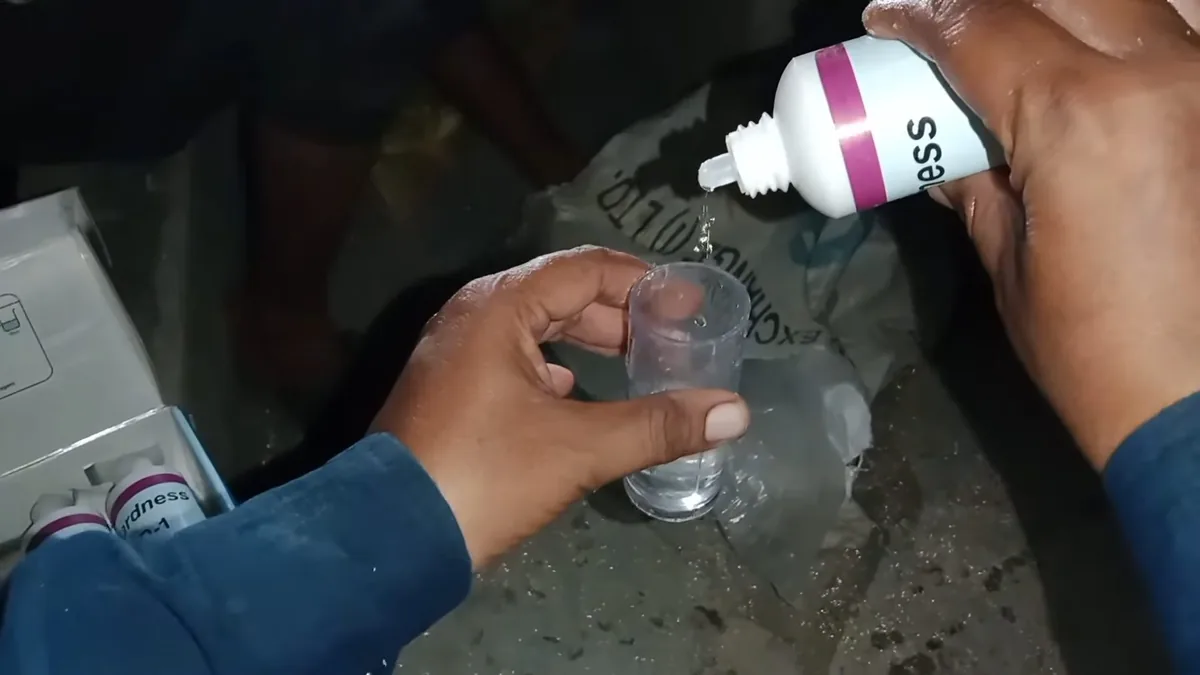
Without a figure, you should not size a system from a guess or from a number in an ad. Ask the plumber for a tap test at the kitchen faucet or the main, and ask what the result was, in grains per gallon, before any equipment is chosen. A different tap or a different month may give a different result, since the supply blends three sources.
Salt-based softener or scale conditioner: what each one does
The two kinds of system treat the problem differently, and the labels can blur that.
| System | What it does | What to ask |
|---|---|---|
| Salt-based softener (ion exchange) | Swaps hardness minerals for sodium or potassium, so the water is actually softened | How much salt it uses, and where the regeneration water drains |
| Scale conditioner (no salt) | Changes how scale forms so it clings less, but leaves the minerals in the water | What result is expected, since performance varies by water and product |
| Dual-tank or high-capacity unit | Keeps soft water available during regeneration | Whether the household's use justifies the added size and cost |
If the goal is to remove scale from fixtures and protect a heater, a salt-based softener is the system most often chosen. If someone in the house is on a sodium-restricted diet, ask about potassium-based salt and about leaving the drinking tap unsoftened.
Sizing and location: what the plumber has to find
A softener needs to be sized to the household's water use and the water's hardness, so that it regenerates often enough to stay ahead without wasting salt. It also needs a place to sit and a drain for the regeneration water.
- A spot near the water main, with room around the unit and a level floor.
- An electrical outlet for the controller, and a drain or floor drain for the discharge.
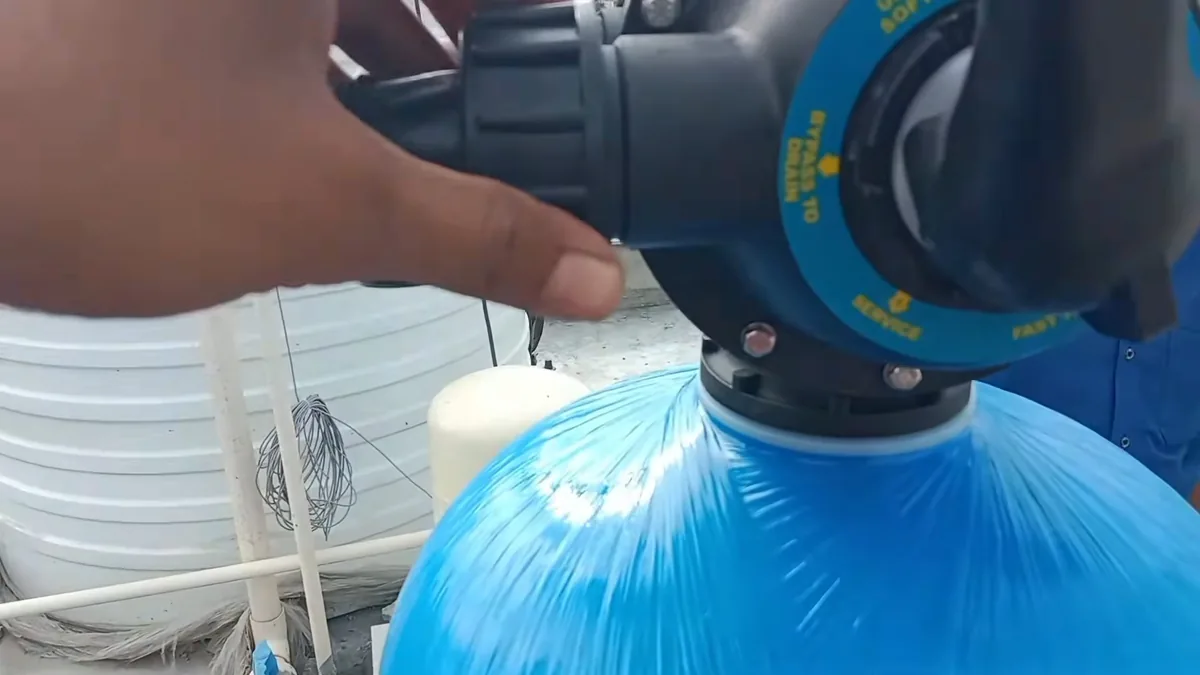
- A bypass valve, so the unit can be isolated for service.
- A plan for outdoor hose bibs, which many owners prefer to keep on untreated water.
Talk through where a softener would go.
Call (833) 840-2034When an existing softener stops working
Calls about softeners often start with a symptom: hard water has come back, the unit is running constantly, salt is not being used or there is water around it. The cause is usually one of a short list.
- The brine tank has a salt bridge, a hard crust that stops salt dissolving, or it has run out of salt.
- The controller or valve has lost its settings or failed.
- The resin is worn out, which is common on older units and is a reason to compare repair with replacement.
- A brine line, drain line or fitting is blocked or leaking.
Check the salt level and look for a bridge before calling, and note whether the unit is regenerating. If the unit leaks, close the bypass or the main supply first. A repair on a very old unit is worth weighing against protecting the heater from scale, since the heater is often the costlier loss.
Whole-home filtration is a different job
A softener reduces hardness. It does not remove chlorine taste, sediment or specific contaminants, and it is not a filter. If your concern is taste, odor or something named in a water report, look at whole-home and drinking-water filtration instead of, or as well as, a softener.
Some homes need both: a filter for what the water carries and a softener for what it deposits. A plumber can sequence them correctly, because the order on the main line matters.
A whole-home system is usually one or two housings on the main line: a sediment stage to catch grit, then carbon to reduce chlorine taste and odor. Placing the sediment stage first protects the softener's valve and resin from grit. Ask for a bypass so either unit can be serviced without shutting off the house, and ask how often each cartridge or media bed is replaced. The filtration page covers cartridges, certification and reverse osmosis in more detail.
Living with soft water: salt, upkeep and what changes
Once a softener is in, the daily difference is mostly good news. Soap lathers more easily, glassware dries with fewer spots and scale stops building on fixtures. Soft water can feel slippery on the skin at first, which is normal and not a sign of a fault.
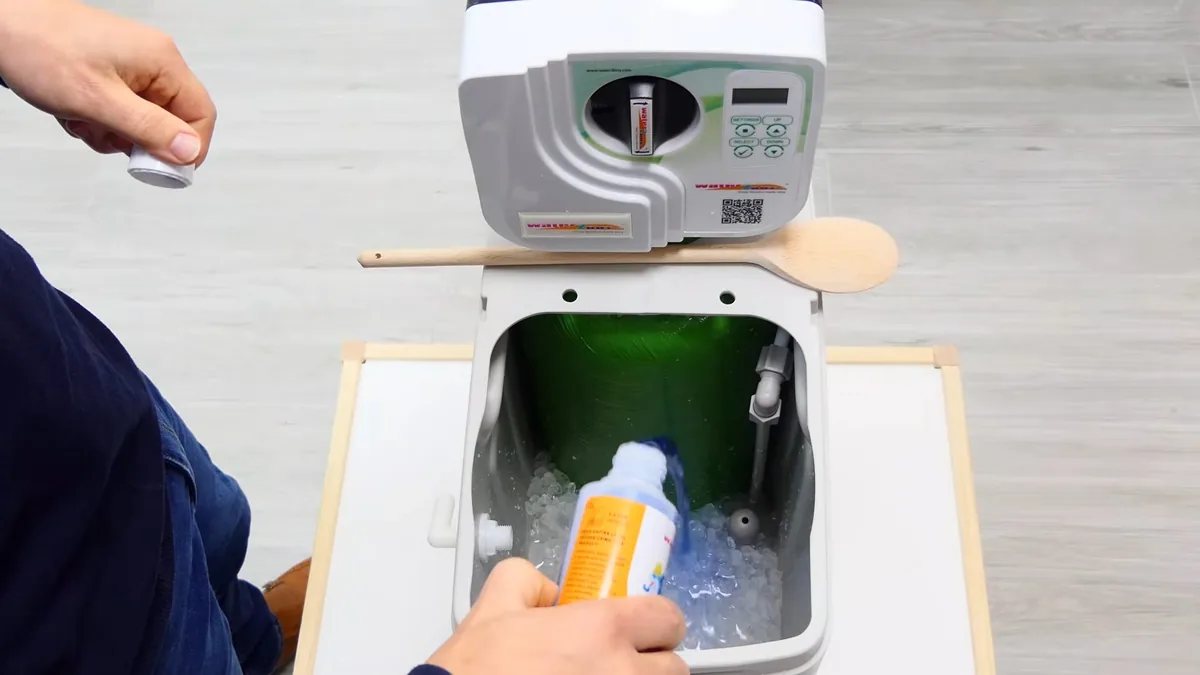
The upkeep is simple but it has to happen. Check the brine tank every month or so, add salt made for water softeners and break up any crust on top of the salt. Skipping salt is the most common reason hard water comes back after an install.
- Place the softener upstream of the water heater, so the heater is protected from scale too.
- Keep a record of the date, the capacity chosen and the settings, so a service visit starts from facts.
- Look at the regeneration schedule if your water use changes, for example after guests move in or the household grows.
A softener does not cure low pressure or a leak. If you notice water around the unit or a rise in your water bill, the page on checking a hidden leak explains the meter test that separates a plumbing leak from a normal change in use.
Questions to ask before a softener is installed
These cover most of the risk and most of the cost:
- What was the tap test result, and what capacity was chosen because of it?
- How much salt will it use per month, and who will refill it?
- Where will the regeneration water drain, and is a permit or approval needed?
- What is the warranty on the controller, the tank and the resin?
- What does the installation include: bypass, connections, drain and electrical?
Ask whether a permit applies. The Bountiful Building Department, at 801-298-6125, can say. For typical price ranges, see the softener cost ranges; the plumber confirms the price after the tap test.
Ready to test your water?
Call (833) 840-2034 and describe the scale you are seeing and the fixtures it affects. A plumber will explain how a tap test and a sizing work.