
Water heater repair · Bountiful, UT
No Hot Water or a Leaking Tank? Water Heater Repair in Bountiful
Cold showers, a puddle at the base of the tank, or a rumble every time it heats: each symptom points somewhere different, and a few of them are worth ten minutes of safe checking before you call. This page explains what to look at, what usually causes each problem and when the tank is past repair.
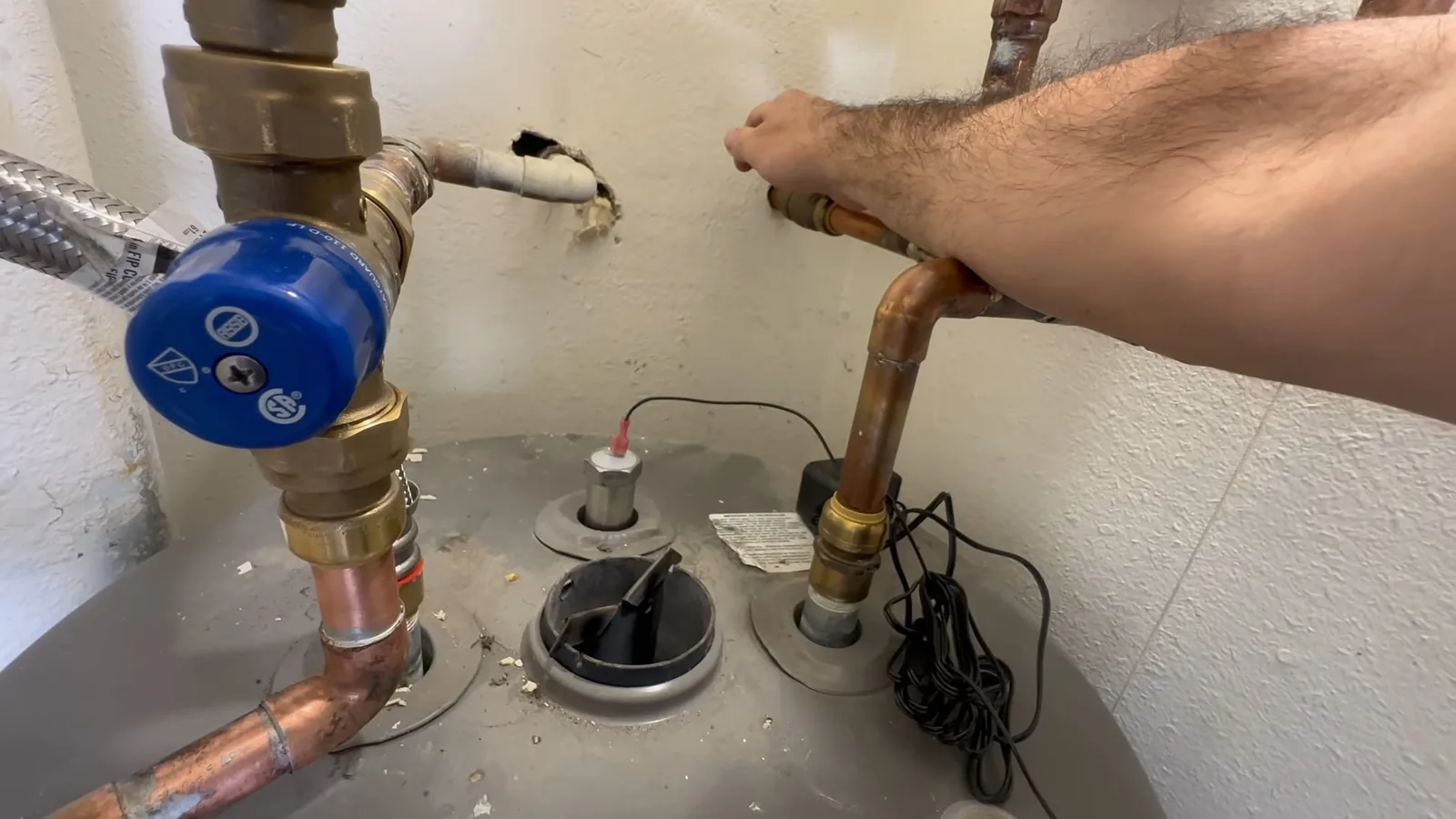
Start here: ten-minute checks on taps, power and gas
Most no-hot-water calls start the same way, so a plumber will ask you the questions below. Answering them first saves time and sometimes solves the problem.
- Is it every hot tap or only one? If only one faucet or shower is cold, the problem is probably that fixture, not the heater.
- Is there power or gas? On an electric tank, look at the breaker. On a gas tank, check that the gas valve at the heater is open and whether other gas appliances work.
- Is there water around the tank? Look at the floor, the fittings on top and the pipe from the relief valve. Wipe a dry spot and check again in an hour to see where the water returns.
- Is the thermostat setting where it was? A dial that has been bumped can look like a failure.
These checks cannot tell you why a heater stopped. A tripped breaker can be a one-time event or a sign of a failed element, and a pilot that keeps going out can be a worn part or a draft problem. If a reset or a breaker trips twice, stop resetting it and call.
Gas smell? Leave the house, call your gas utility or 911 from outside and do not touch switches. Do not relight a pilot if you smell gas. Gas leaks are not a plumber-first call; the page on gas line repair covers what happens after the utility has made it safe.
Symptoms and likely causes, for gas and electric heaters
The table lists the usual suspects, not a diagnosis. A plumber confirms by testing the unit, and the same symptom can have more than one cause.
| Symptom | Often points to | Gas or electric |
|---|---|---|
| No hot water at all | Tripped breaker or failed thermostat or upper element; pilot or burner not lighting | Electric; gas |
| Hot water runs out fast | Sediment or scale in the tank, a failed lower element, or a heater too small for the household | Both |
| Rumbling or popping | Sediment hardening on the bottom of the tank | Both |
| Water at the base of the tank | A leaking fitting, a relief valve discharging, or a tank that has failed | Both |
| Pilot keeps going out | A worn thermocouple or flame sensor, or poor venting | Gas |
| Water hot to the point of scalding | A thermostat setting or control fault; a relief valve that opens is a warning sign | Both |
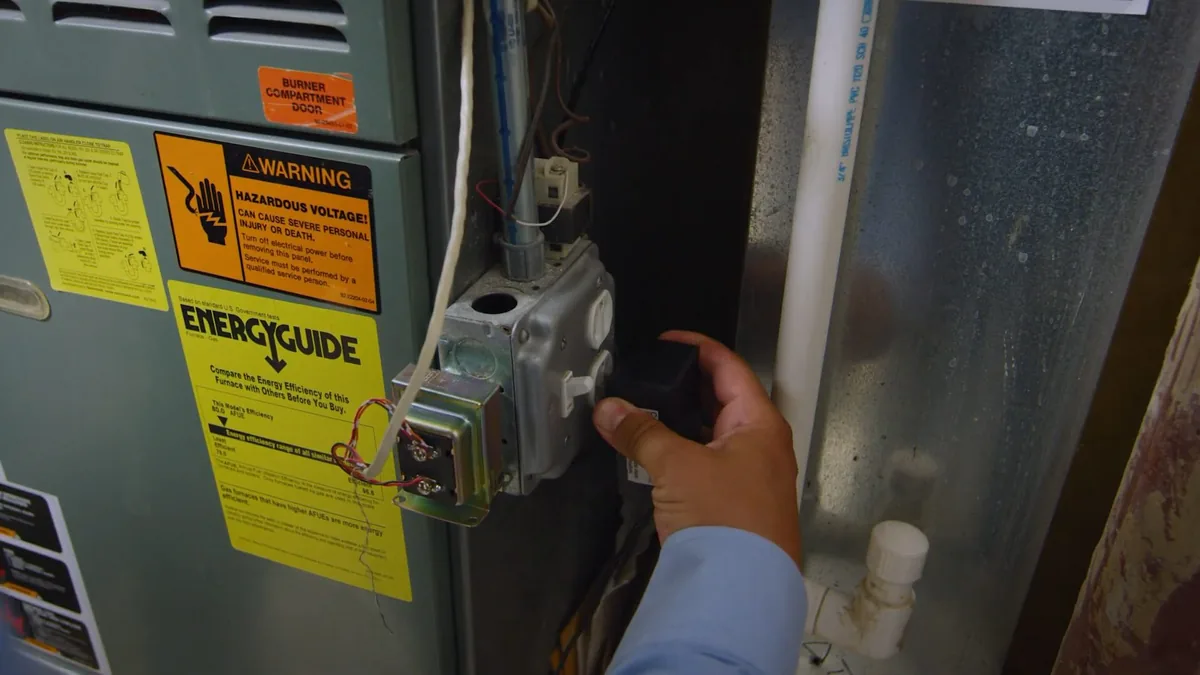
Gas water heater repair: what stays with a plumber
Gas heaters add a flame, a vent and a gas supply to the list of things that can fail. Typical repairs are a thermocouple or flame sensor, a gas control valve, a burner that needs cleaning and a vent that is blocked or loose. The gas supply line itself, and any smell of gas, belong with your gas utility and with gas line and leak repair, not with a heater repair.
Ask the plumber to check the vent and draft as well as the part that failed. A new thermocouple in a heater that backdrafts will fail again.
Electric water heater repair: elements, thermostats and power
An electric tank has an upper and a lower heating element, each with a thermostat. Failure of the upper element or thermostat usually means no hot water at all. A failed lower element usually means lukewarm water or a supply that runs out quickly. Both parts are common and inexpensive next to the tank, so a repair is often reasonable on a heater that is otherwise sound.
Elements are fed from a dedicated circuit at high amperage. If the breaker keeps tripping, the cause may be a shorted element or a wiring fault, and that is a reason to stop and call instead of resetting repeatedly.
Leaking water heater: fitting, relief valve or tank?
Where the water comes from decides whether you repair or replace. Water at a pipe connection, the drain valve or the relief valve can be fixed. Water seeping from the steel shell, or pooling under a tank that has been wet for a while, usually means the tank has corroded through. That cannot be patched, and the right call is replacing the tank.
- Close the cold-water supply to the heater and, on an electric tank, switch off its breaker.
- On gas, set the control to pilot or off and leave the gas supply alone if you have any doubt.
- Never cap or plug the relief valve or its discharge pipe. It is a safety device.
- Take a photo of the leak and of the label on the tank so the plumber has the age and model.
If the water seems to come from somewhere other than the heater, such as the floor around it or a nearby pipe, the problem may be a separate leak. The page on finding a hidden leak explains how those are located.
Bountiful's relatively hard water and your tank
Bountiful's water comes from city wells, Mill Creek and the Weber River, and the city's own 2025 water quality report describes it as relatively hard, especially from the wells. It does not publish a hardness figure. For a heater, that matters because mineral scale settles on the bottom of the tank and on elements, which is behind much of the rumbling, the slow recovery and the early element failures.
If your heater has scale, ask the plumber three things: how much sediment is in the tank, whether a flush is worthwhile on a tank this age, and whether a softener would help the next one last. The page on installing a softener covers the second half of that.
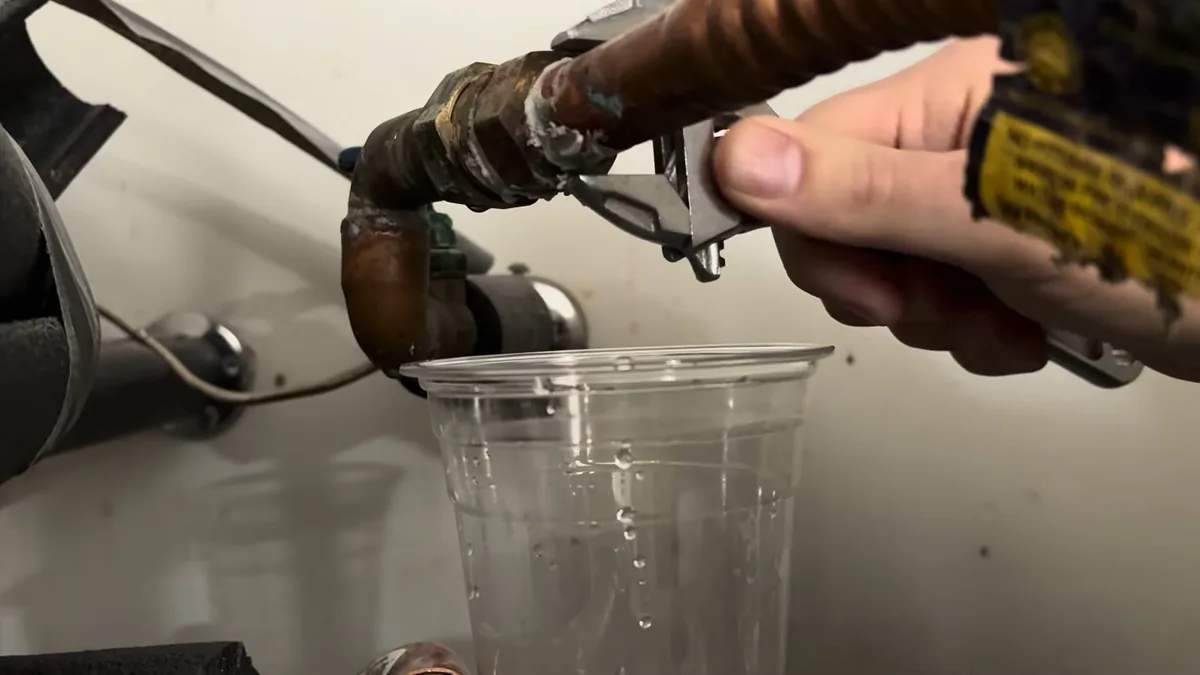
When a water heater and a fixture need work on the same call
A heater visit often turns up a second problem: a shutoff valve that will not close, a corroded supply connector or a faucet that drips. Say so when you call. A plumber who knows there are two jobs can bring the parts for both and tell you which is more urgent.
A heater repair does not cover a failed fixture, and a faucet repair does not cover a heater. Ask for the work to be listed separately so you can decide on each.
Describe what the heater is doing to a plumber.
Call (833) 840-2034What to ask before the repair starts
A repair quote on a heater is only useful if it names what is being fixed and why. Ask for these items:
- The cause the plumber found, in plain words, and what test showed it.
- The part being replaced and whether the new part is the same model as the old one.
- The age of the heater from its label, and whether the plumber thinks another repair is likely within a year or two.
- Whether a permit applies. The Bountiful Building Department, at 801-298-6125, can say whether a given job needs one.
- License details. Utah plumbers can be checked through the state's Division of Professional Licensing plumbing page, and details are available on request before work begins.
When to call now and when waiting is reasonable
Call now for any leak you cannot stop, any water near electrical equipment, a relief valve that is discharging steadily, or no hot water in a house with infants or someone who is ill. Close the supply to the heater first if it is leaking.
A tank that is rumbling, recovers slowly or runs out sooner than it used to is worth a visit soon, but it is not an emergency. If the heater is more than about ten years old, ask whether repair or replacing the whole unit makes more sense, because a second repair on an old tank often costs more over time than a new one. For ballpark numbers, see the wide price ranges for plumbing work.
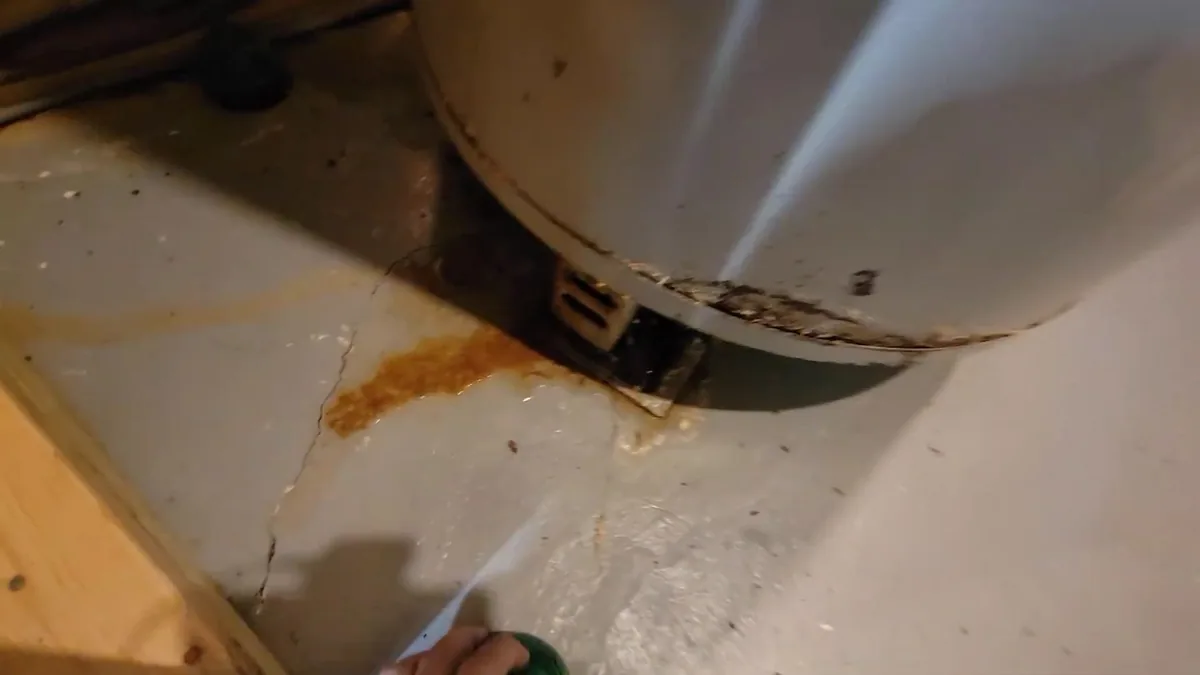
Tell a plumber what the heater is doing
Call (833) 840-2034 and say whether the heater is gas or electric, what you have checked and where any water is. A plumber will tell you what to do next.