
Slab leak repair · Bountiful, UT
Warm Spot on the Floor or a Meter That Will Not Stop? Slab Leak Repair Options in Bountiful
A slab leak is a leak in a pipe that runs under or inside a concrete floor. This page applies only if your house, or a part of it such as a garage or an addition, sits on a slab. It covers the signs, how the leak is found and the ways it can be fixed. Slab leak detection & repair, Bountiful UT houses on a slab included, comes down to confirming the leak before any concrete is cut.
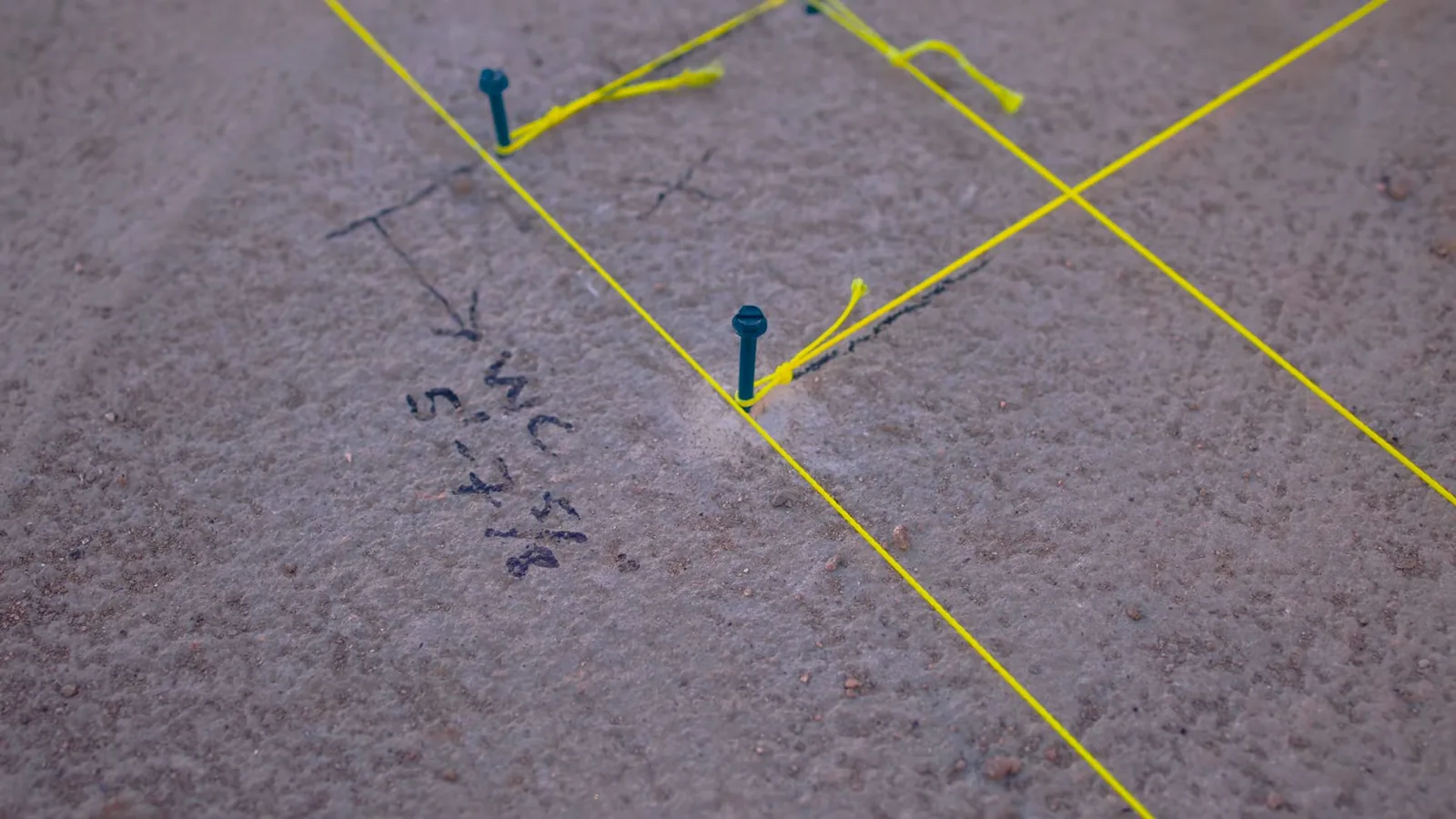
Check whether your house has plumbing under a concrete slab
Plumbing under a concrete slab is not found in every home. A house with a basement or a crawl space has its pipes in open space where a leak is easier to see and reach. A slab leak needs concrete between you and the pipe.
Check which kind of foundation you have before you read further. If the floor of a room, a garage or an addition is poured concrete with the pipes beneath it, this page applies. If you have a basement, the leak is more likely to be in a joist space and the page on hidden leak testing is the better start.
Signs of a leak under the floor
The signs are indirect, because the pipe is out of sight. Several together point to a leak under the slab:
- A water meter that keeps moving when every fixture is off.
- A water bill that climbs with no change in use.
- A warm or hot patch on the floor, which can mean a hot water line is leaking beneath it.
- The sound of running water when everything is off.
- Damp carpet, lifting flooring, or a musty smell with no visible source.
- Low water pressure at some or all fixtures.
None of these alone proves a slab leak. A toilet flapper, an irrigation line or a pipe in a wall can cause the same signs, so the first job is to confirm that the leak is in fact under the floor.
How the leak is confirmed and located
A plumber narrows the leak down in steps so that no one cuts into concrete on a guess.
- Isolate: turn off the water to the house and watch the meter, then shut off sections to see which line is losing water.
- Pressure test: pressurize an isolated line and watch for a drop.
- Listen: acoustic equipment picks up the sound of water escaping from a pressurized pipe.
- Image: a thermal camera can show a warm line under the floor.
- Confirm: mark the spot and check it with a second method before any cutting.
Ask the plumber to mark the location and explain how it was confirmed. A mark on the floor with a measured position is better than a verbal estimate.
The repair options, side by side
Once the leak is located, there are usually three ways to deal with it. The right choice depends on the pipe, the number of leaks and what sits above the slab.
| Option | What it involves | Usually considered when |
|---|---|---|
| Spot repair through the slab | Cut the concrete over the leak, repair the pipe, patch the floor | One leak in an accessible spot, and the floor above can be restored |
| Reroute overhead | Abandon the leaking line and run a new line through walls or the attic | Repeated leaks, or a line that is hard to reach under the floor |
| Epoxy pipe lining | Coat the inside of the pipe to seal leaks without cutting concrete | Pipe in otherwise sound shape and access at both ends |
| Repipe | Replace the supply lines in the house | Widespread failure of the pipe, see whole-house repiping |
Rerouting and lining are the same family of methods that the lining and rerouting methods describes for sewer lines. That overlap is deliberate, since a slab can hold either a supply line or a drain.
What causes a slab leak
The cause shapes the fix, so ask what the plumber thinks started it. Typical causes include:
- Corrosion: pipe that thins and pinholes from the inside or outside, which can be speeded by water chemistry.
- Abrasion: a pipe that rubs against concrete, a gravel bed or another pipe as it expands and contracts.
- Soil or slab movement: shifting that stresses a joint or a bend.
- Installation faults: a poorly made joint or a pipe that was damaged when the slab was poured.
Bountiful's city water report describes the supply as relatively hard. That does not mean every slab leak is caused by water chemistry, and a plumber can say whether the pipe they see is corroded.
Floor finishes and disruption: spot repair, reroute or lining
A spot repair means cutting through the floor covering and the concrete. Plan for dust, noise and a patched section of slab afterward. Ask what the quote includes for the finish above the repair: new tile, carpet or sealed concrete.
A reroute opens walls and ceilings instead, and lining opens neither beyond the access points. Before you choose, ask which finishes will be disturbed and who restores them. If water has already soaked flooring or drywall, restoration is a separate step, described on the drying and restoration after a leak.
Foundation concerns and insurance
Water leaking into soil under a slab can wash away or soften the ground and, in some cases, affect the foundation. A plumber cannot judge a foundation, so if you see cracks or doors that stick, ask a structural engineer.
Insurance is a separate question. Whether a policy covers the leak, the access work or the damage depends on the policy, and the wording varies. Contact your insurer early, keep photos and meter readings, and ask the plumber for a written finding that describes the cause and the location.
What to ask before you approve a slab repair
A slab repair is a significant job, so ask the questions that compare the options.
- How was the leak located and confirmed, and how sure is that location.
- Which option does the plumber recommend, and why not the others.
- How many leaks are likely, and is the rest of the line in the same condition.
- What does the quote include for the floor finish and cleanup.
- Is a permit needed, and who arranges it. The Bountiful Building Department at 801-298-6125 can answer that for a given job.
License details are available on request before work begins. Typical ranges are on the slab leak cost ranges, and the plumber confirms the price once the leak is located.
Describe the signs you see and what the meter does.
Call (833) 840-2034Ready to find out if the leak is under the slab?
Call (833) 840-2034 and describe the meter reading, any warm spots and what has changed. A plumber will explain how the leak is confirmed before any cutting.