
Gas line repair · Bountiful, UT
Smell Gas? Go Outside First. Gas Line Repair and Leak Detection in Bountiful, Explained
A gas smell is a safety event before it is a plumbing job. This page starts with what to do in the first minute, then covers how a plumber finds and repairs a gas line problem once the situation is safe. Gas line repair & leak detection, Bountiful UT calls included, are plumbing jobs only after the gas utility has made the area safe.
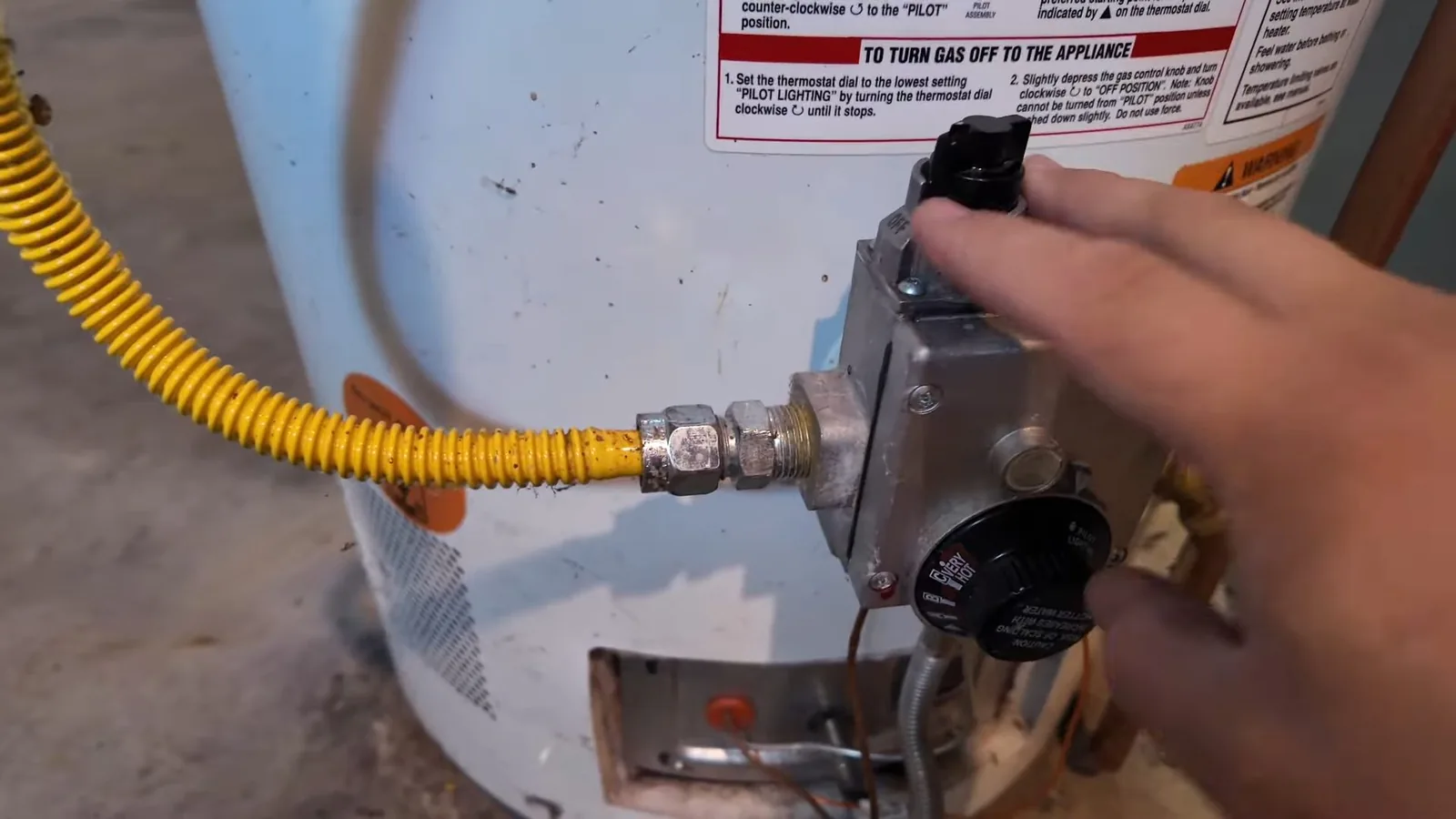
If you smell gas right now
Natural gas is given an odor so that a leak can be noticed. Treat that smell as urgent every time.
- Leave the building and take everyone with you, pets included.
- Do not use anything that can spark: no light switches, phones inside the house, garage door openers, lighters or appliances.
- Call from a safe distance outside, to your gas utility's emergency line or to 911.
- Stay out until the utility or the fire department says it is safe to go back in.
Once the utility has made the area safe, the repair is the next step, and the rest of this page covers it.
Signs of a gas leak besides the smell
Not every leak is strong enough to smell from across a room. Other signs include:
- A hissing or whistling sound near a gas pipe or appliance.
- Dead or discolored plants over a buried line in an otherwise healthy lawn.
- Bubbling in standing water or mud near a gas line outside.
- A pilot light that keeps going out, or a flame that burns yellow or orange instead of blue.
- Headaches, nausea or dizziness that clear when you leave the house, which can also point to a carbon monoxide problem.
Do not go looking for a leak yourself. Leave and call the utility. Carbon monoxide from a poorly vented appliance is a separate danger from a gas leak, and a carbon monoxide alarm is a different device from a gas detector.
What happens after the utility makes it safe
The utility shuts off or secures the supply at the meter when needed. The pipes on your side of the meter are the owner's responsibility, and that is where a plumber works.
The plumber finds where the gas is escaping, repairs or replaces the faulty section and tests the line before the gas is turned back on. Ask who restores service after the repair, since the utility is usually the one to turn the supply back on at the meter.
- Inspect: check the line, fittings, valves and appliance connections.
- Locate: use a leak detector or a bubble solution at joints to find the source.
- Repair or replace: a fitting, a flexible connector, a valve or a section of pipe.
- Test: pressure test the repaired line and check for leaks before gas is restored.
Common gas line jobs
Gas work is more than leak repair. A plumber is often called for:
| Job | What it involves | Why it needs care |
|---|---|---|
| Appliance hookup | Connecting a range, dryer, water heater or fireplace | A loose or wrong connector can leak |
| Replacing a flexible connector | Swapping an old or damaged appliance line | Old connectors can crack or kink |
| Adding a gas line | Running a new branch for a range, grill or heater | Pipe size and the load on the meter matter |
| Repairing a leak at a fitting | Tightening or replacing a joint | Must be tested before gas is turned on |
| Buried line repair | Repairing a yard line to a grill, pool heater or outbuilding | Needs 811 and a way to locate the line |
A gas water heater or tankless unit also needs the right gas line and vent. See tankless gas line needs for how that fits.
Appliances, venting and carbon monoxide
A gas line problem is not always a leak in the pipe. Appliances that burn gas also need air and a clear path for exhaust, and a fault in either can put carbon monoxide in the house.
Carbon monoxide has no smell. A carbon monoxide alarm on each level and near sleeping areas is the safeguard, and it is separate from anything that detects gas. If an alarm sounds, go outside and call 911.
- Have gas water heaters, furnaces and ranges checked if the flame burns yellow, or there is soot around the appliance.
- Keep vents and flues clear of nests, snow and stored items.
- Never run a gas oven or range as a heater.
- Replace alarms on their own schedule, since the sensors wear out.
A plumber can check the gas piping and connections. A furnace or a vent problem may be a job for a heating technician, and the plumber should say so.
Permits, licensing and who does the work
Gas piping is regulated work, and rules on who can do it and when a permit is needed are set locally and by the state. Ask the plumber who is licensed to do the work and who pulls the permit.
The Bountiful Building Department at 801-298-6125 can say whether a given job needs a permit and an inspection. Utah plumbers can be checked at the state's plumbing license page, and license details are available on request before work begins.
Buried gas lines and digging
A gas line that runs through the yard to a grill, a pool heater or a detached building needs care before anyone digs. Blue Stakes 811 marks utility-owned lines, with at least 3 business days of notice. A private line on your side of the meter is typically not marked by the utility, so ask how the plumber will trace it.
If a shovel, a post hole or a trencher hits a gas line, stop work, leave the area and call the utility and 911. Do not try to cover the line back up.
What to ask before you approve gas work
A gas line quote should be specific.
- What was found, and where is the leak or the fault.
- Which parts are replaced, and what is the test before gas is restored.
- Does the job need a permit and an inspection, and who arranges them.
- Who turns the gas back on, and when.
- What changes if the line has to be larger or longer.
A leak in a water pipe is a different problem. See water leak detection for water lines, since this page covers gas only. Typical ranges are on the gas line cost ranges, and the plumber confirms the price after seeing the line.
Once the area is safe, tell the plumber what the utility found.
Call (833) 840-2034Is the area safe and the line ready to repair?
Call (833) 840-2034 once you are outside and the utility has been called. Describe what was found and which appliances are on the line.