
Trenchless pipe lining · Bountiful, UT
Want to Fix a Sewer Pipe Without Tearing Up the Yard? Trenchless Lining in Bountiful, Explained
Trenchless repair can restore a damaged sewer pipe through a small access point instead of a long trench. It only suits certain pipes, so this page explains how it works and how to tell when it applies.
What trenchless repair means
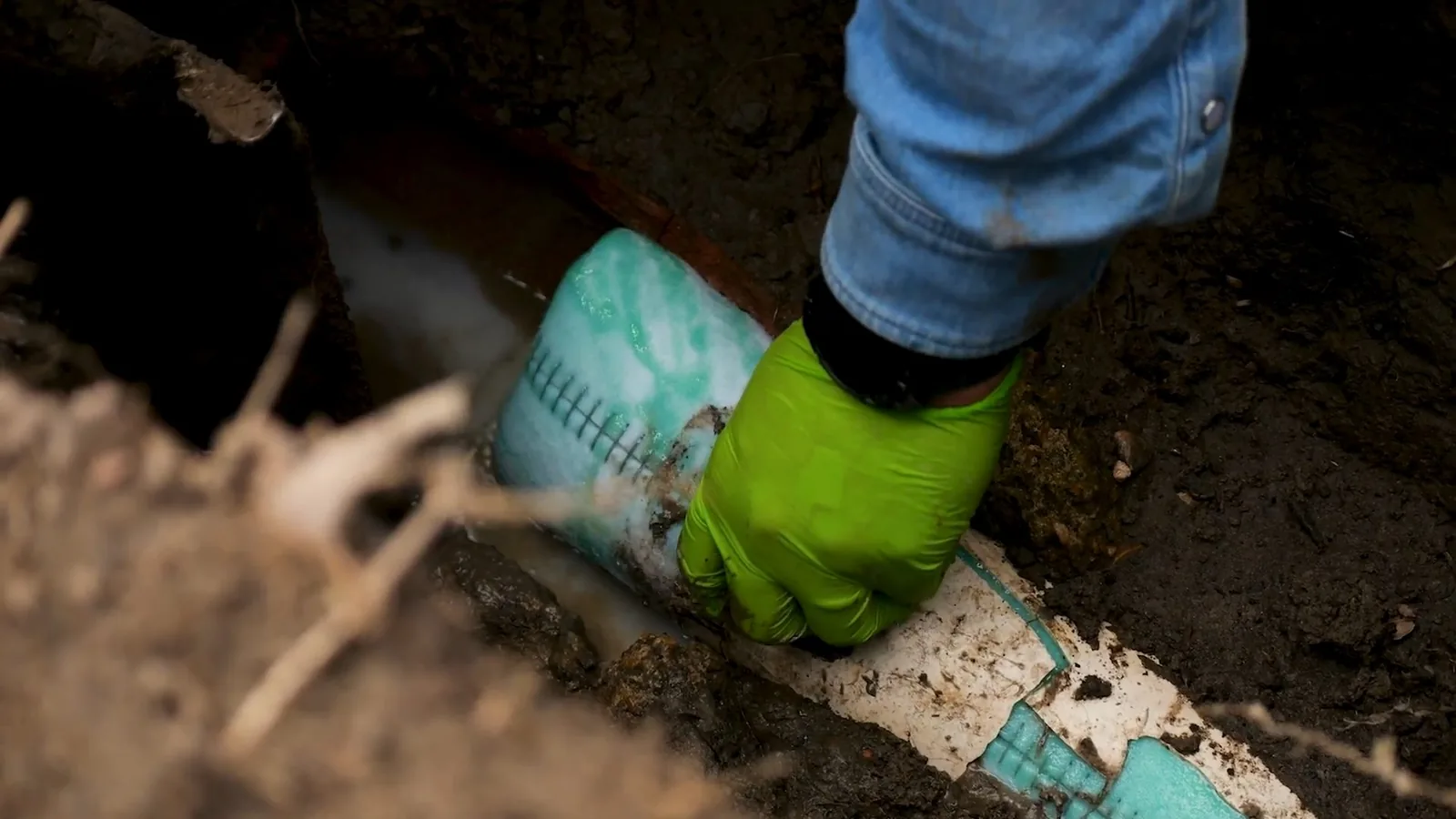
Trenchless is a family of methods that repair or replace a buried pipe with little or no digging. Access comes from a cleanout, a pit at each end or a small opening, and the work happens inside the line.
The two methods you will hear about most are lining and pipe-bursting. Lining places a new inner pipe inside the old one. Bursting pulls a new pipe through while it breaks the old one apart. Both need a camera look first, since the pipe's condition decides whether either will work.
| Method | How it works | Usually suits |
|---|---|---|
| Cured-in-place lining (CIPP) | A resin-soaked liner is pulled in, inflated and cured to form a pipe inside the old one | A pipe that is cracked or has leaking joints but is still continuous |
| Pipe-bursting | A new pipe is pulled through as the old pipe is broken apart | A pipe too damaged to line, with a clear path for the new pipe |
| Spot lining | A short liner repairs one section | A single crack or a failed joint |
When a liner fits, and when it does not
Lining works inside the old pipe, so the old pipe has to be in shape to hold it. A camera finding rules a liner in or out.
- Usually a fit: cracks, leaking joints, roots entering at joints, and a pipe that is still round and continuous.
- Usually not a fit: a collapsed pipe, a belly that holds water, or an offset so large the liner cannot pass.
- Needs a closer look: a pipe with several bends, a change in diameter or a connection that cannot be restored cleanly.
Lining does not fix the slope of a pipe. If the camera shows water sitting in a low spot, the section needs replacing, as described on the sewer line repair page.
Trenchless compared with open-trench digging
Neither method is better in every case. The choice follows the pipe and the yard.
| Trenchless | Open trench | |
|---|---|---|
| Yard disturbance | Small access pits, little surface damage | A trench along the line, with restoration after |
| Pipe condition needed | A pipe that holds its shape | Works on a collapsed or badly sagging pipe |
| Can correct slope | No | Yes, the new pipe is laid to grade |
| Best when | Landscaping, driveways or structures sit over the line | The break is short and shallow, or the pipe must be re-sloped |
| Inspection | Camera before and after | Visual and camera check at backfill |
Clean, inspect, line and cure: the sequence of a lining job
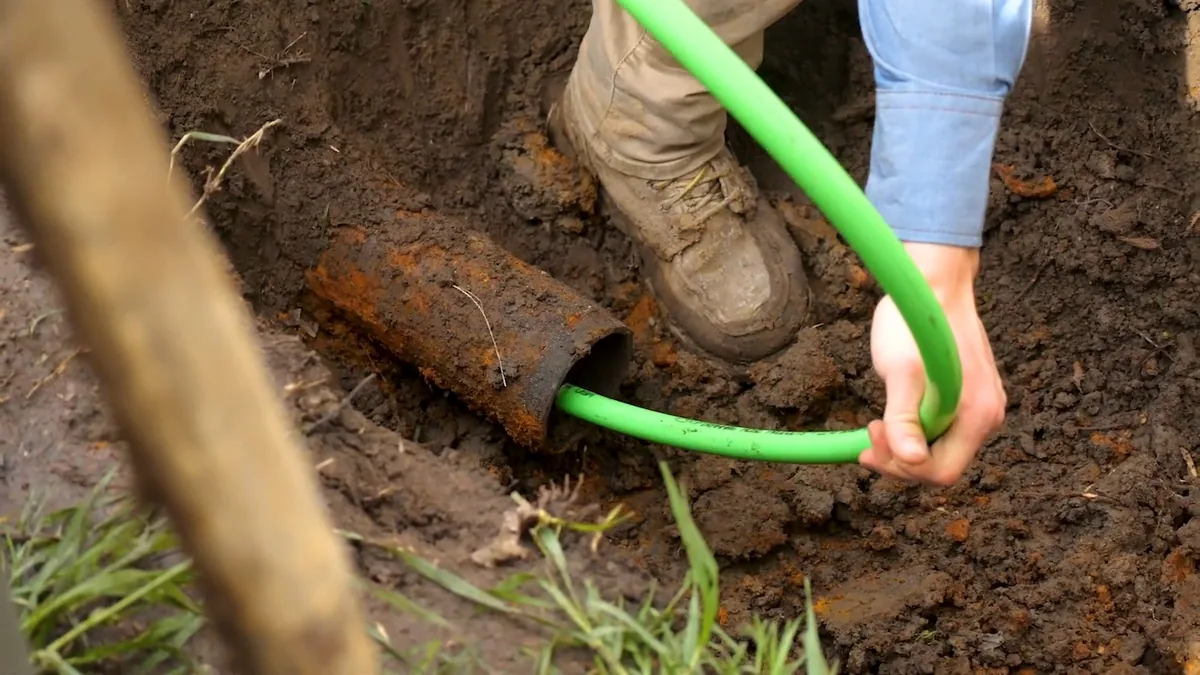
A lining job follows a consistent sequence, and knowing it helps you check the work.
- The line is cleaned, often with jetting. See high-pressure cleaning for how that step works.
- A camera inspection confirms the pipe's shape and measures the section to be lined.
- The liner is prepared and pulled or inverted into the pipe, then inflated against the wall.
- The liner cures, and the service connections are reopened from the inside.
- A final camera pass checks the finished pipe and any lateral connections.
Ask whether the footage of the finished line is part of the deliverable. It is the record of what was done.
Blue Stakes 811 and South Davis Sewer District approvals
Even a trenchless job usually needs access pits or an opened cleanout, so Blue Stakes 811 applies before any digging, with at least 3 business days of notice. Private sewer laterals are typically not marked by utilities, so ask the plumber how the line will be located.
Sewer service in Bountiful comes from the South Davis Sewer District, whose approvals are separate from city building permits. Call (801) 295-3469 or ask the plumber whether District approval is needed for the specific work and who is applying. If a lining method has special rules, ask about them before the job is scheduled.
Slab and under-house sewer lines
A sewer line that runs under a concrete slab is hard to reach by digging. Trenchless methods can avoid cutting the slab, but the same camera test applies: the pipe must be continuous and the right shape.
If the problem is a water supply line under the slab, not the sewer, see slab leak repair for the rerouting option that covers that case.
Lifespan, warranty and what a liner does not do
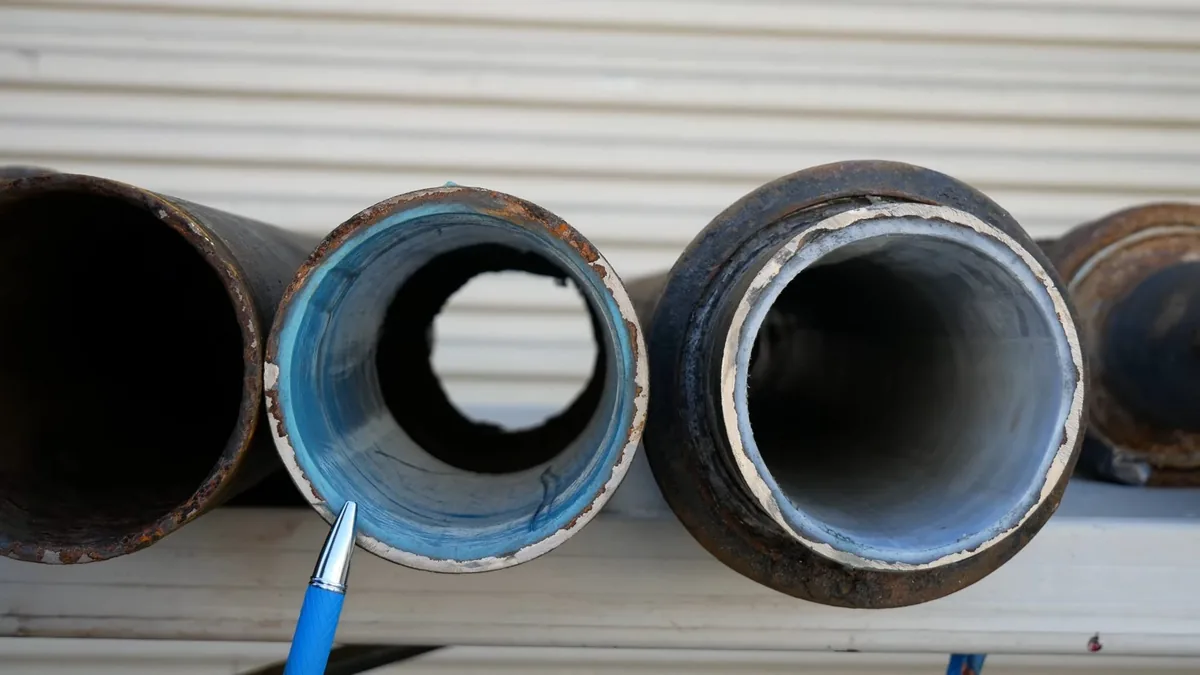
A liner is a new pipe inside an old one, and its useful life depends on the product, the installation and the condition of the host pipe. Do not accept a number without the paperwork behind it.
Ask for the product name, the manufacturer's information and the warranty in writing, including who stands behind the work and for how long. Ask what is excluded, since many warranties do not cover damage from outside the liner.
- It does not stop roots at a connection unless the connections are sealed as part of the job.
- It does not fix a belly. A liner follows the shape of the old pipe, low spots included.
- It reduces the inside diameter slightly. Ask whether the flow rate for your fixtures still works.
- It is not a substitute for camera confirmation. The finished line should be filmed.
Water use, cure time and checking connections after lining
A lining job can take part of a day or longer, and the sewer line may be out of service while the liner cures. Ask how long the household has to stay off water use and where you can use a toilet in the meantime.
After curing, the plumber reopens the service connections from inside the pipe. Run water at each fixture while the plumber is still there, so a slow connection is caught while the crew is on site. Keep the final camera footage with your house records. It also helps a later plumber, an inspector or a buyer understand what is in the ground.
What to ask before you agree to a liner
A lining quote should answer these questions in plain terms.
- What did the camera show, and can I see the footage.
- Why lining and not replacement, and what would change that answer.
- How long is the section, and how many connections will be reopened.
- What materials are used and what warranty comes with the product and the work.
- Who handles District approval and the 811 request.
License details are available on request before work begins. Typical ranges are on the pipe lining cost ranges, and the plumber confirms the price after the camera inspection.
Tell the plumber what the camera has shown or what symptoms you see.
Call (833) 840-2034Ready to find out if your pipe can be lined?
Call (833) 840-2034 and describe the backup, any camera findings and where the line runs. A plumber will explain whether lining, bursting or digging suits the pipe.