
Drain cleaning · Bountiful, UT
Slow or Clogged Drain? What Drain Cleaning in Bountiful Involves
One slow sink is usually a local clog. Several fixtures backing up together point somewhere else. This page shows how to tell the two apart and what the clearing work involves.
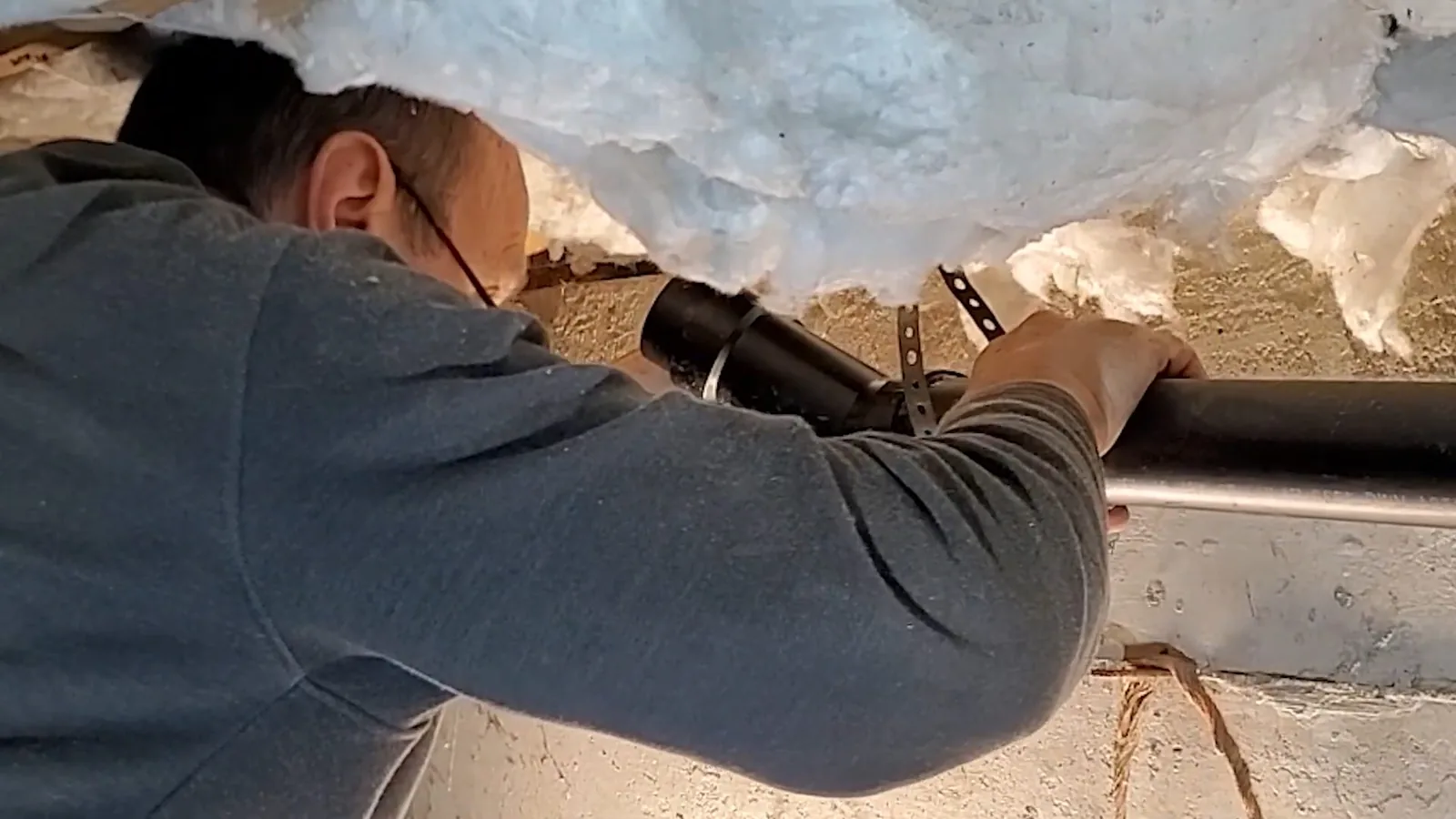
One drain or several: the first thing to check
Count how many fixtures are affected before you do anything else. The answer tells you where the blockage sits and how serious it is.
| What you see | Usual location | Typical response |
|---|---|---|
| One sink or tub drains slowly | In that fixture's own trap or branch line | Clear that line with a hand tool or a small drain machine |
| Toilet and nearby tub both back up | In the branch line that serves the bathroom | Machine clearing of the branch line |
| Every drain slow, gurgling, or water rising in the lowest fixture | In the main drain or the sewer line | Stop using water and see sewer line repair and camera inspection |
| A floor drain in the basement or garage backs up | In the main drain below that level | Main-line clearing, often with a camera look |
If the lowest drain in the house is the one overflowing, the blockage is almost always downstream of every fixture. Running more water makes it worse.
What a plumber does to clear a clogged drain
Clearing a drain is mechanical. The method depends on the line and what is in it.
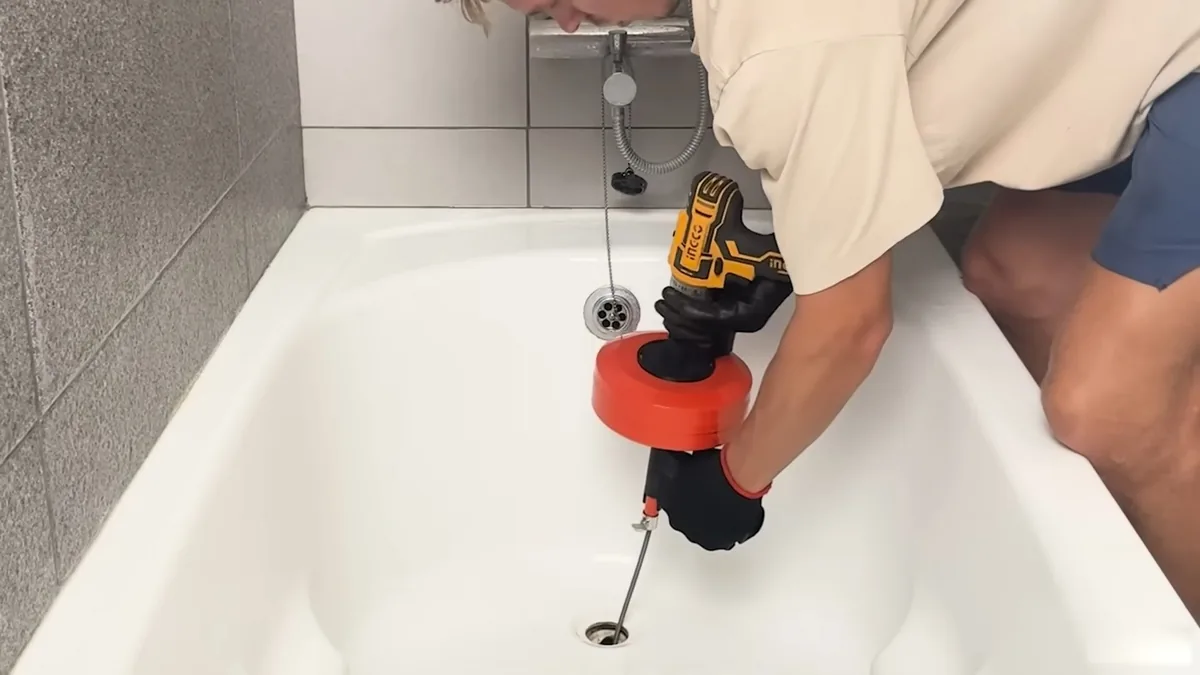
- Hand auger: a coiled cable turned by hand, used for a sink or tub trap and short runs.
- Drain machine: a motorized cable with a cutting head, used on longer branch lines and the main drain.
- Camera: a small lens on a flexible cable that shows what is blocking the pipe and what condition the pipe is in.
- High-pressure water: used when the line is coated with grease or scale and a cable only punches a hole through it. That is a separate service covered on the hydro jetting page.
Ask the plumber which tool will be used and why. A cable can open a line that a camera then shows to be cracked or sagging, and that finding changes the next step.
Kitchen, bathroom and laundry clogs have different causes
The same slow drain means different things in different rooms, so the cause usually points to the fix.
Kitchen lines carry grease, food scraps and soap residue. Fat cools inside the pipe and builds a layer that narrows it a little more with every use. Bathroom lines carry hair, soap scum and toothpaste, and a toilet line carries paper and whatever else was flushed. Laundry lines carry lint and detergent residue, and a washer that overflows its standpipe is a common sign of a partial clog.
- Kitchen sink: keep grease out of the drain and run hot water after washing greasy dishes.
- Bathroom sink and tub: a hair catch costs little and prevents most tub clogs.
- Toilet: repeated clogs in one toilet can mean a problem with the line itself, so mention it when you call. A faulty toilet may also need toilet repair instead of clearing.
- Laundry: check the washer hose and standpipe if water backs up during the drain cycle.
What chemical drain cleaners do and do not do
Store-bought liquid cleaners are tempting, and they have limits worth knowing before you pour one in.
They can soften some soft clogs, but they do not remove a solid obstruction, and they sit in standing water until a plumber arrives. That leaves caustic liquid in the trap and makes any later work around the drain more hazardous. Never mix products, and tell the plumber what was used before they start.
When a camera inspection is worth asking for
A drain camera turns a guess into a picture. It is worth asking for in these situations:
- A drain that clogs again within weeks of being cleared.
- Several fixtures backing up, or a floor drain that overflows.
- A home with older cast iron or clay pipe, or mature trees close to the sewer line.
- Before a purchase, or before spending money on a bigger repair.
The recording shows roots, grease, a belly in the pipe where water sits, or a break. If it points to damage in the sewer line itself, the next page to read is on repairing it without digging, which compares the two ways of fixing it.
Storm drains, French drains and commercial kitchen lines
Not every drain is an indoor drain. Yard and exterior drains clog with soil, leaves and roots rather than hair and grease, and they are cleared with different tools. A French drain that stops carrying water after a storm, or a window well that stays full, is worth describing when you call so the plumber can plan the work.
Restaurants and other businesses have heavy grease loads and often have a grease interceptor that needs regular service. If you run a business, mention the building and the type of kitchen when you call.
Why the same drain keeps clogging
A drain that clogs once is usually an event. A drain that clogs repeatedly is usually a condition, and a different fix is needed.
- Grease or scale lining the pipe: a cable opens a channel but leaves the coating, so the clog returns.
- A belly or low spot: water and solids collect in the dip and form a plug.
- Roots entering a joint: they catch paper and waste and grow back after cutting.
- A pipe too small or poorly sloped for the load: usually found when a remodel added fixtures to an old line.
Ask the plumber what they found in the line, not just that it is open now. If they saw roots, a break or a belly, that is the answer to why it keeps happening.
Questions on tool, camera and quote scope before drain work
A short list of questions keeps the visit predictable.
- Which tool will be used on this drain and how far does it need to reach.
- Whether a camera look is included or priced separately.
- What happens if the cable does not clear it.
- Whether the quote covers one drain or the whole run.
License details are available on request before work begins, and Utah plumbers can be verified through the state's plumbing license page. Ranges are on the typical drain cleaning ranges, and the plumber confirms a price after seeing the line.
Describe which drains are affected and what happens when you run water.
Call (833) 840-2034Ready to get the drain moving?
Call (833) 840-2034 and say which fixtures are slow or backing up. A plumber will tell you what the pattern suggests and what happens next.