
Water damage restoration · Bountiful, UT
Flooded Floor or Soaked Walls? How Water Damage Restoration Works in Bountiful
After a pipe breaks, a washing machine overflows or a heater leaks, the water has to be stopped and then the building has to be dried. This page covers what to do first, how restoration works and where the plumbing repair fits in.
The first steps after water gets in
Safety comes first, then the source, then the water.
- Stay away from water near electricity. If outlets, cords or the panel are wet, leave the power off and do not step into standing water.
- Stop the source. Shut off the main water valve. For a pipe break, see burst pipe first steps.
- Take photos and video of the damage before anything is moved.
- Move valuables and furniture out of the water, and lift rugs if you can do it safely.
- Call and say where the water came from, how much there is and what it touched.
What kind of water is it
Restoration professionals sort water into categories, because the category decides what can be saved and how the cleanup is done.
| Category | Source | What it means |
|---|---|---|
| Clean | A supply line, a tap, a water heater | Lower risk at first, but it changes as it sits on wet material |
| Gray | A washing machine, dishwasher or sump overflow | Contains some contamination, so porous materials are often removed |
| Black | Sewage, a backup from a drain, flood water | Heavily contaminated. Porous materials usually cannot be saved |
A sewage backup is a plumbing and a cleanup problem. If a drain is the source, the sewer line page explains the cause.
How drying works
Wiping up the surface does not dry a building. Water moves into drywall, insulation, subfloor and framing, and each of those has to be dried.
- Extraction: remove standing water with pumps or wet vacuums.
- Moisture mapping: use meters and sometimes a thermal camera to find where the moisture went.
- Air movement and dehumidification: fans and dehumidifiers pull moisture out of the building materials.
- Removal of what cannot be saved: soaked insulation, some drywall and padding are cut out and discarded.
- Monitoring: readings are taken each visit until the materials are back to normal levels.
Carpet, hardwood, drywall and insulation: dry or remove
Material type matters. Some things dry and stay, and others are removed.
- Carpet: clean water may allow drying in place, but padding is often replaced.
- Hardwood and laminate: can cup or buckle, and may need removal.
- Drywall and plaster: wet drywall often has to be cut out, especially if it has been wet for a while.
- Insulation: wet batts lose their value and are usually removed.
- Ceilings: a wet ceiling can sag and has to be opened to dry what is above it.
Ask the crew to show you the readings that led to a decision to remove something.
Mold: what to watch for
Mold can grow on wet materials. The EPA says to fix plumbing leaks and other water problems as soon as possible and to dry all items completely. For a small area, it says mold less than about 10 square feet can often be handled by the homeowner. A larger area or a lot of water damage is a reason to consult the EPA's guide and likely a professional.
- A musty smell with no visible source.
- Staining that spreads on drywall or ceilings.
- Mold that returns after cleaning, which suggests moisture is still present.
- Anyone in the house with asthma, allergies or a weak immune system.
Read the EPA's mold cleanup guide for homes before cleaning mold yourself. Remediation of a large area is a specialist job.
The plumbing repair and the restoration are two jobs
Restoration dries and cleans. It does not fix the pipe. If the source is not repaired, the water returns. A plumber stops and repairs the source, and the restoration crew takes over the damage.
Tell both which one is which. If you do not know the source, the page on tests for finding the source explains the tests, and a leak that started in a basement may need basement waterproofing to keep it from coming back.
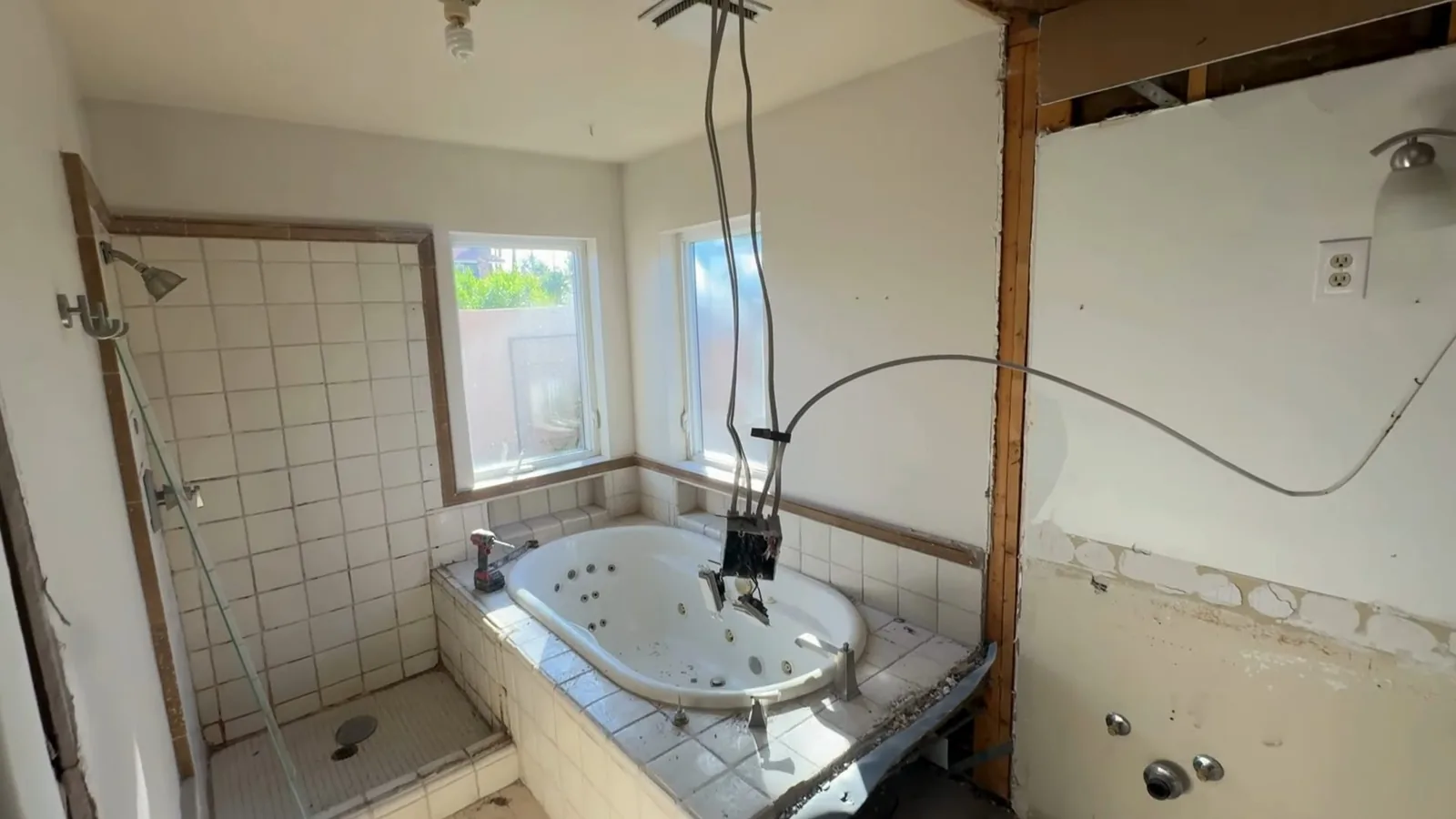
What a restoration visit looks like day to day
Restoration is not a single visit. The crew arrives, extracts water, sets equipment and leaves it running. They return to check readings and move equipment as areas dry.
Expect noise from fans and dehumidifiers, and a rise in the electric bill while the equipment runs. Ask which outlets the crew will use, and whether the equipment can run on a circuit that is not shared with your refrigerator.
- Keep doors to drying rooms closed, so the equipment works on the right space.
- Do not turn equipment off or move it unless the crew says to.
- Keep pets and children out of rooms with equipment.
- Ask for the moisture readings at each visit and the target where the crew expects to stop.
Who to tell about water damage in rentals, condos and businesses
Water damage in an apartment, a condo or a business involves other people. Tell your landlord, your property manager or your association right away, since they may need to give notice to neighbors or to an insurer.
In a building with shared walls, water can reach the unit next door, so say so when you call. A business should describe the use of the space, since a restaurant kitchen or a storeroom has different priorities from a living room.
Insurance and documentation
Insurance covers some water damage and not others, and the policy wording decides. Contact your insurer early and ask what to do before work starts. Keep photos, receipts, the plumber's written finding and the moisture readings. A plumber's report on the cause helps the claim.
Do not discard damaged items until your insurer says you can, unless they are a hazard. Ask the crew whether a daily log of equipment and readings will be provided.
Restoration questions: quote scope, drying days and who repairs
A short list keeps the job clear.
- What does the quote include: extraction, drying, removal, cleaning, repairs.
- How many days will the equipment run, and what are the readings that decide when it stops.
- Who repairs the opened walls and floors afterward.
- What is done about odor and mold if it appears.
License details are available on request before work begins. Typical ranges are on the water damage cost ranges, and a firm price is confirmed after the crew sees the damage.
Describe where the water came from and what it reached.
Call (888) 681-3447Water in the house and need to talk it through?
Call (888) 681-3447 and describe the source, how much water there is and which rooms are wet. They will explain what happens next.