
Water heater replacement · Bountiful, UT
Is Your Tank Past Repair? Water Heater Replacement in Bountiful, Step by Step
A heater that leaks from the shell, has needed repeated repairs or no longer keeps up with the household has to be replaced, and the decisions come fast because the hot water is already out. This page walks through them in order: replace or repair, which type of tank, what size, what the quote should list and what to expect on the day.
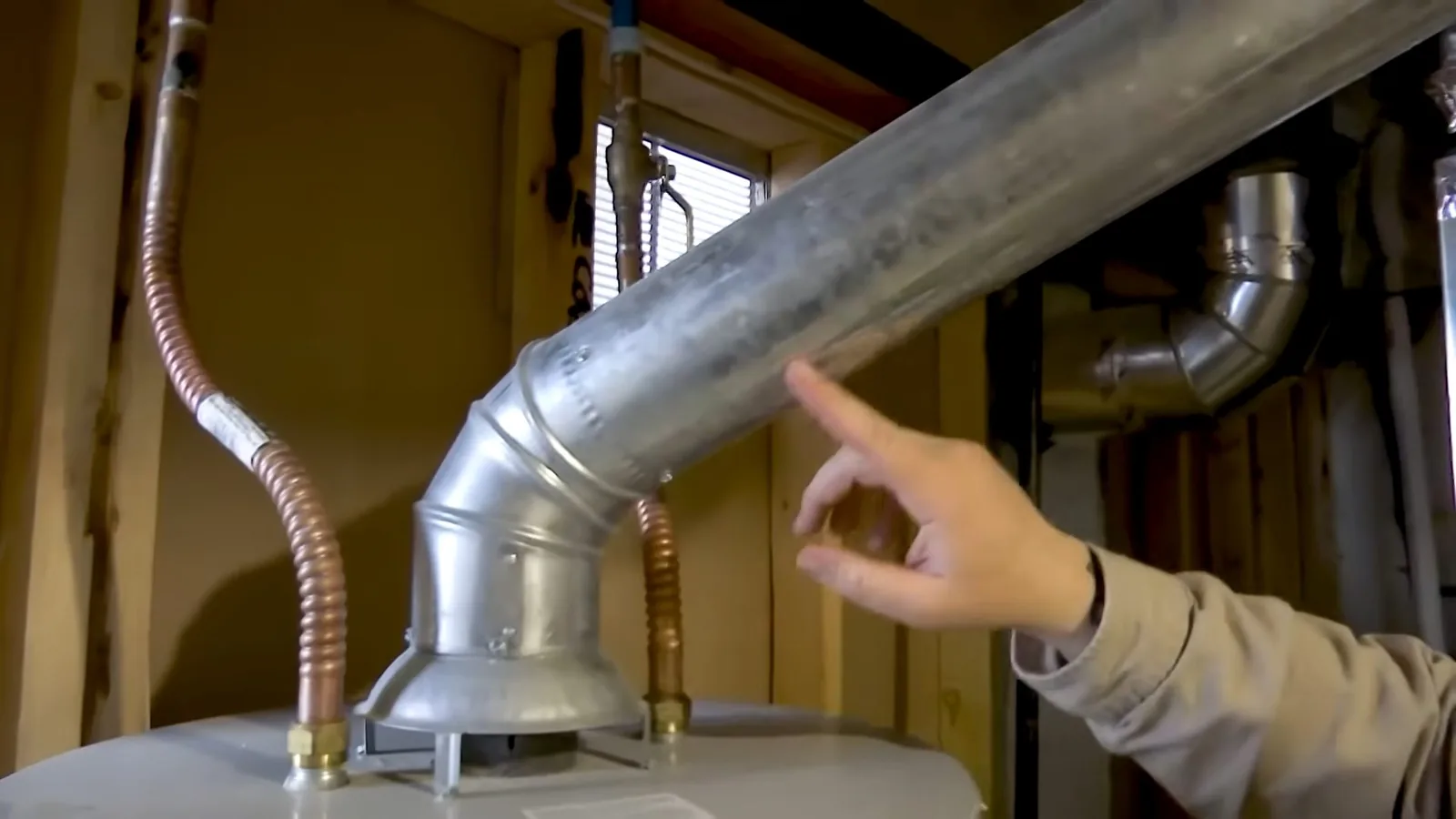
Replace it or repair it: five signs the tank is done
A tank heater has a limited life, and the signs below usually mean the money is better spent on a new unit than on another repair.
- Water seeps from the steel shell or from beneath the insulation. A corroded tank cannot be patched.
- The unit is around ten years old or more and has needed two or more repairs. The label or serial number lets a plumber date it.
- Rust-colored hot water, with the cold water running clear, points to the inside of the tank.
- The tank is full of sediment, recovers slowly and rumbles, and a flush no longer helps.
- The household has grown or the usage has changed and the tank runs out in the middle of a shower.
A leak at a fitting, a bad element or a worn thermocouple is different. Those are repairs, and the page on repairing the heater you have explains how to tell them apart.
Gas, electric or hybrid: what changes in the house
Replacing like for like is the simplest job. Switching fuel changes more than the unit, so decide early whether you are staying with what you have.
| Type | What it needs | Worth asking about |
|---|---|---|
| Gas tank | A gas supply of the right size, a vent to the outside and combustion air | Whether the existing vent and gas line suit the new unit |
| Electric tank | A dedicated high-amperage circuit and breaker | Whether the panel has room and the wiring matches the unit's rating |
| Hybrid (heat pump) tank | Electric supply, space and airflow around the unit, a drain for condensate | Clearances, noise and how the room's temperature affects it |
A tank that moves to a new spot or changes fuel brings new gas, vent, electrical or drain work, and each of those is a separate line on the quote. If you are weighing a no-tank unit, the page on tankless water heater services covers that decision on its own.
Hybrid heat pump tanks: the questions that are different
A hybrid unit pulls heat from the air around it and uses a small heat pump to warm the tank, with electric elements as backup. That can use less electricity than a standard electric tank, but it changes the room it sits in and has its own requirements.
- It needs open space and airflow around it, so a closet or a tight utility alcove may not suit it.
- It cools and dries the air near it, which can be welcome in a warm basement and a nuisance in a small heated room.
- It produces condensate that has to drain to a safe place, and it makes some fan noise.
- Ask what the unit does in its backup modes, and how recovery compares with a standard electric tank.
If the goal is hot water that never runs out, a hybrid tank still has a finite supply. Size it as you would any other tank.
Sizing: why a bigger tank is not always the fix
The question is not how many gallons the tank holds but how much hot water it can deliver in the busiest hour. Plumbers call this the first-hour rating, and it is printed on the unit's yellow energy label.
To size well, tell the plumber how many people live in the house, how many showers run in the morning, whether there is a soaking tub and whether a dishwasher or washer runs at the same time. A tank that is too small runs out of hot water. One that is too big costs more to buy and keeps more water hot all day.
What a replacement quote should list
A quote that says only 'water heater, installed' hides the parts that cause arguments later. Ask for a written list that names:
- The make, model, tank size and fuel type of the new unit, and its warranty terms.
- New shutoff valve, connectors and a relief valve with a discharge pipe that runs to a safe spot.
- Venting work for a gas unit, or electrical work for an electric or hybrid one.
- An expansion tank, if the plumber thinks the house needs one, and the reason.
- Removal and disposal of the old tank, and any permit that applies.
Ask for each item to be shown on the quote even when it is included in a total. If something is missing, ask whether it is not needed or just not listed.
Talk through a replacement with a plumber.
Call (833) 840-2034Permits, inspections and who to ask in Bountiful
Whether a water heater replacement needs a permit is decided locally. Bountiful's Building Department, at 795 South Main Street, runs permits through the CityInspect portal and can be reached at 801-298-6125. Its published page does not say which jobs need a permit, so the reliable step is to call and ask about your specific job.
Ask the plumber who is pulling the permit, if one is needed, and whether an inspection follows. Utah plumbers can also be checked through the Division of Professional Licensing, and license details are available on request before work begins.
Hard water and the new tank's warranty
Bountiful's water is a blend of wells, Mill Creek and the Weber River, and the city's 2025 water quality report calls it relatively hard. Scale builds on elements and tank bottoms and is a common reason older heaters fail early.
Two practical questions follow. First, does the warranty on the unit you are buying require maintenance, such as flushing, and does it exclude damage from scale? Second, would a softener protect the next tank? The page on a softener for the new tank covers how to test your water before deciding.
Replacement day: what happens and what to have ready
A like-for-like tank replacement is commonly a few hours of work, but ask the plumber for a window instead of assuming one. Expect the hot water to be off for part of that time.
- Clear a path to the heater and the area around it, and move anything stored against it.
- The plumber shuts the water and the fuel or power, drains the old tank and disconnects it.
- The new unit is set, connected and vented, and the relief valve and its discharge pipe are fitted.
- The tank is filled with the hot taps open to push out air, and then powered or lit and tested.
- Ask to see the settings and the shutoff valve locations, and keep the paperwork with the unit's label details.
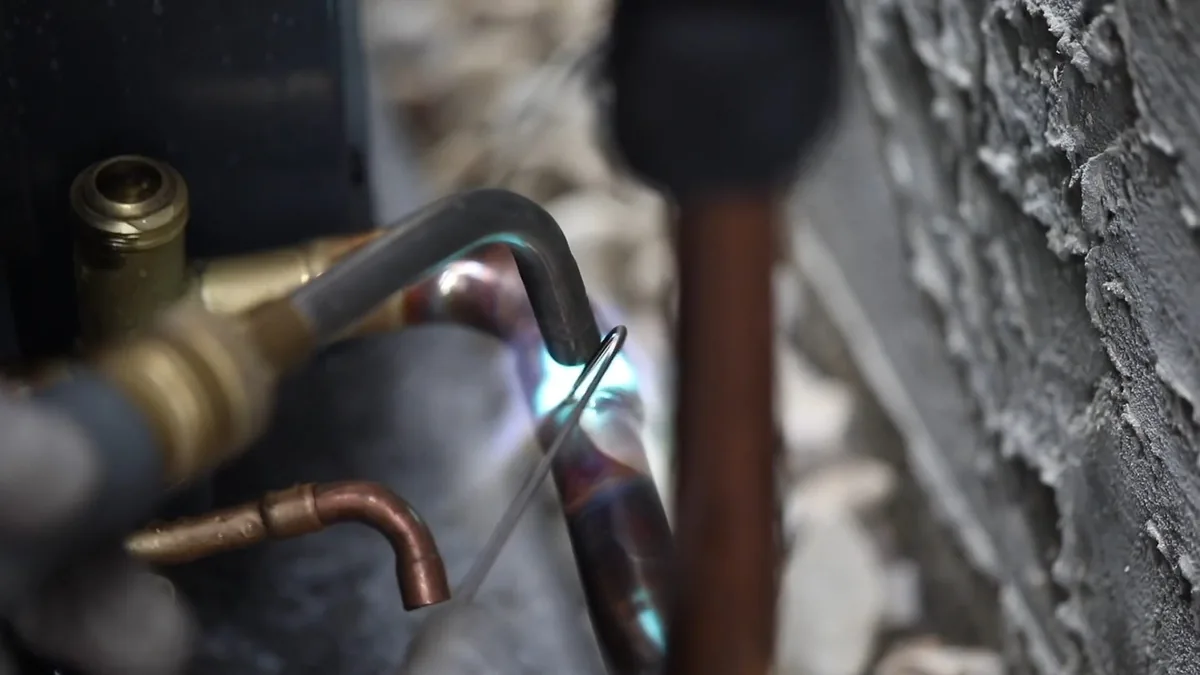
Four phone questions: unit, installed price, downtime, surprises
Four questions cover most of the risk. What is the make and model being quoted? Is the price for that unit installed, with every item listed? How long will the hot water be off? And what happens if the plumber finds something unexpected, such as a failing shutoff or a vent that does not meet the new unit's needs?
For typical ranges before you call, the price ranges for a replacement tank give wide figures, and the plumber confirms the actual price after seeing the job.
Ready to replace the heater?
Call (833) 840-2034 and give the tank's age, fuel type and what it has been doing. A plumber will explain what the visit involves.