
Water filtration systems · Bountiful, UT
Bad Taste or Sediment in Your Water? Water Filtration System Options in Bountiful
A chlorine taste, cloudy water or a worry about something in the pipes each call for a different kind of filter, and buying the wrong one is the usual mistake. This page helps you name the problem first, then match a system to it.
Name the problem before you pick a filter
Filtration is a family of tools, not one product. Each tool is built for a particular job, so start by saying what you want removed.
| What you notice or worry about | Common approach | Does not do |
|---|---|---|
| Chlorine taste or odor | Activated carbon, at one tap or on the whole house | Does not remove hardness minerals |
| Sand, grit or cloudy water | Sediment filter ahead of other equipment | Does not improve taste by itself |
| A specific contaminant named in a report or test | Equipment certified for that contaminant, often reverse osmosis at one tap | A generic filter may not address it |
| Scale and white crust | A softener, not a filter | A filter will not stop scale |
If scale is your main complaint, go to water softener installation first. A filter and a softener solve different problems and are sometimes used together.
When the problem is not the water supply
Before you buy a filter, rule out causes that a filter will not fix. A few patterns are common:
- Rotten-egg smell in hot water only. This often traces to the water heater, not the supply. A plumber can check the tank and its components.
- Milky water that clears from the bottom up. That is usually trapped air and clears on its own within a minute or so.
- Brown or cloudy water after street work. Run the cold tap for a few minutes. If it does not clear, call the city's Water Department at 801-298-6180, since work on a main can stir up sediment.
- A smell at the sink drain, not in the glass. That comes from the drain, and a filter will not help. See clearing a smelly or slow drain.
If the water is clear and cold-tap tests look normal, but you still dislike the taste, a carbon filter is a reasonable next step. If you need the hot-water side checked, the page on water heater repair lists the symptoms to describe.
Start with what the city's water quality report already lists
Bountiful City publishes an annual water quality report that lists the contaminants tested and the results, along with where the water comes from: about 60 percent from wells, about 20 percent from Mill Creek and about 20 percent from the Weber River. Read the section on what was detected before you spend money, so you know what you are actually trying to remove.
Remember that a city report describes the water leaving the utility's system. What reaches your tap also depends on your own plumbing and fixtures. If you have a specific concern, ask for a test at your own tap, from a laboratory or a qualified tester, instead of assuming the report answers it.
Whole-home or one tap: where the filter should go
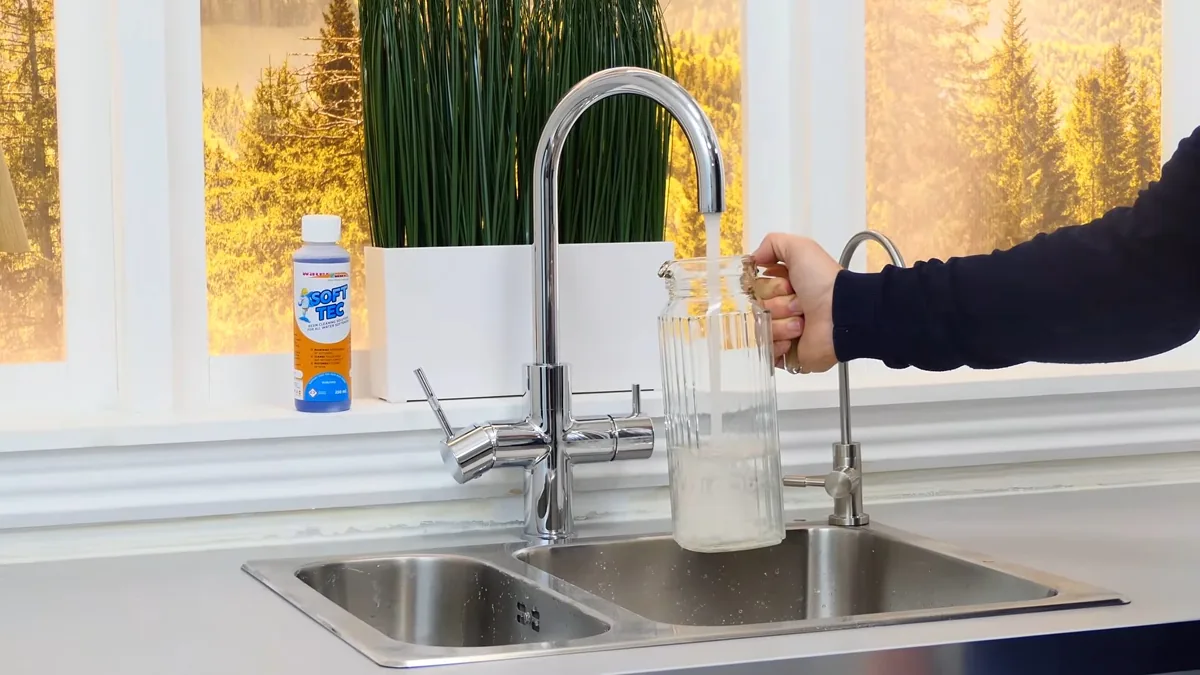
A whole-home system treats water as it enters the house. It protects every tap and appliance, and it suits sediment, chlorine and similar concerns. A point-of-use system treats the water at one tap, often the kitchen, and suits drinking and cooking water.
- Whole-home carbon or sediment: larger, sits at the main, needs space and a bypass.
- Under-sink filter: a cartridge system at the kitchen cold tap, quick to fit.
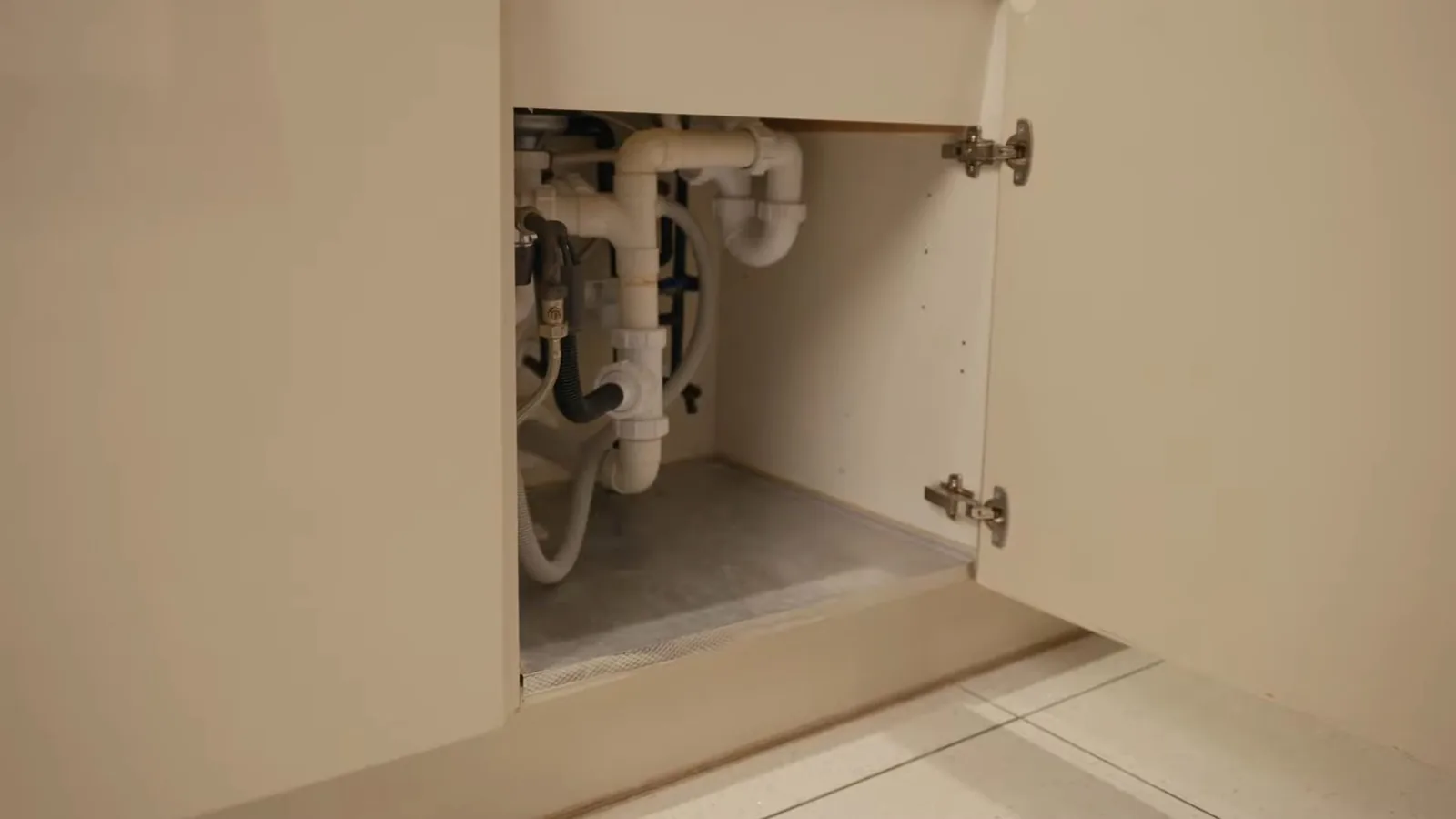
- Reverse osmosis at the sink: a tank and a dedicated faucet, with a drain connection for the rejected water.
Reverse osmosis produces a small stream of waste water that goes to the drain, and it removes minerals along with other things, so many people use it for drinking water only.
Check what the filter is certified to remove
A box that says 'removes contaminants' tells you very little. Ask which standard a filter is certified to and which contaminants that certification covers. NSF/ANSI standards are the common reference: Standard 42 covers taste and odor, Standard 53 covers health-related contaminants and Standard 58 covers reverse osmosis systems.
Ask the plumber for the certification of the exact model quoted, and ask what contaminants it was tested for. Then compare that with the concern you named at the start. If the certification does not cover your concern, a different filter is the right answer.
Describe your water concern to a plumber.
Call (833) 840-2034What it costs to keep a filter working
The purchase price is only part of the cost. Cartridges and media wear out, and a filter that is not changed on schedule stops working and can make the water worse.
- How often the cartridges change, and what each replacement costs.
- Whether a sensor or a calendar reminder is included.
- Whether replacement parts are easy to buy, or tied to one supplier.
- Whether the system needs a drain connection, electricity or a booster pump.
Homes on a private well and commercial filtration
Most homes in Bountiful are on the city system. A property on a private well is in a different situation: the owner is responsible for testing, and a test from a laboratory should come before any equipment. If that is you, say so when you call.
A commercial water filtration system, Bountiful or anywhere else, is sized to flow and usage and is a different project from a household system. This page focuses on homes. If you are asking for a business, describe the building and the use when you call, and a plumber will tell you what is involved.
Installation, plumbing changes and permits
Fitting a whole-home filter involves cutting into the main line, adding a bypass and shutoffs and putting the unit where it can be serviced. An under-sink or reverse osmosis system needs a faucet hole or a spare one, a drain connection and a place for the tank.
Ask whether the work needs a permit, since the Bountiful Building Department at 801-298-6125 can answer for a given job. Utah plumbers can be checked through the state's plumbing license page, and license details are available on request before work begins. Typical ranges are on the filtration cost ranges, and the plumber confirms the price after seeing the job.
Ready to match a filter to your water?
Call (833) 840-2034 and say what you want removed and where you want the filter. A plumber will explain what fits.