
Water leak detection · Bountiful, UT
Water Bill Up or a Damp Spot You Cannot Explain? How Leak Detection Works in Bountiful
A leak you can see is easy to find. A leak behind a wall, under a floor or in a buried line shows up as a bill, a stain or a sound. This page covers the signs, a test you can run yourself and how a plumber pinpoints the leak. Water leak detection services, Bountiful UT homes included, range from a meter test you run yourself to equipment-based work by a plumber.
Signs of a hidden leak
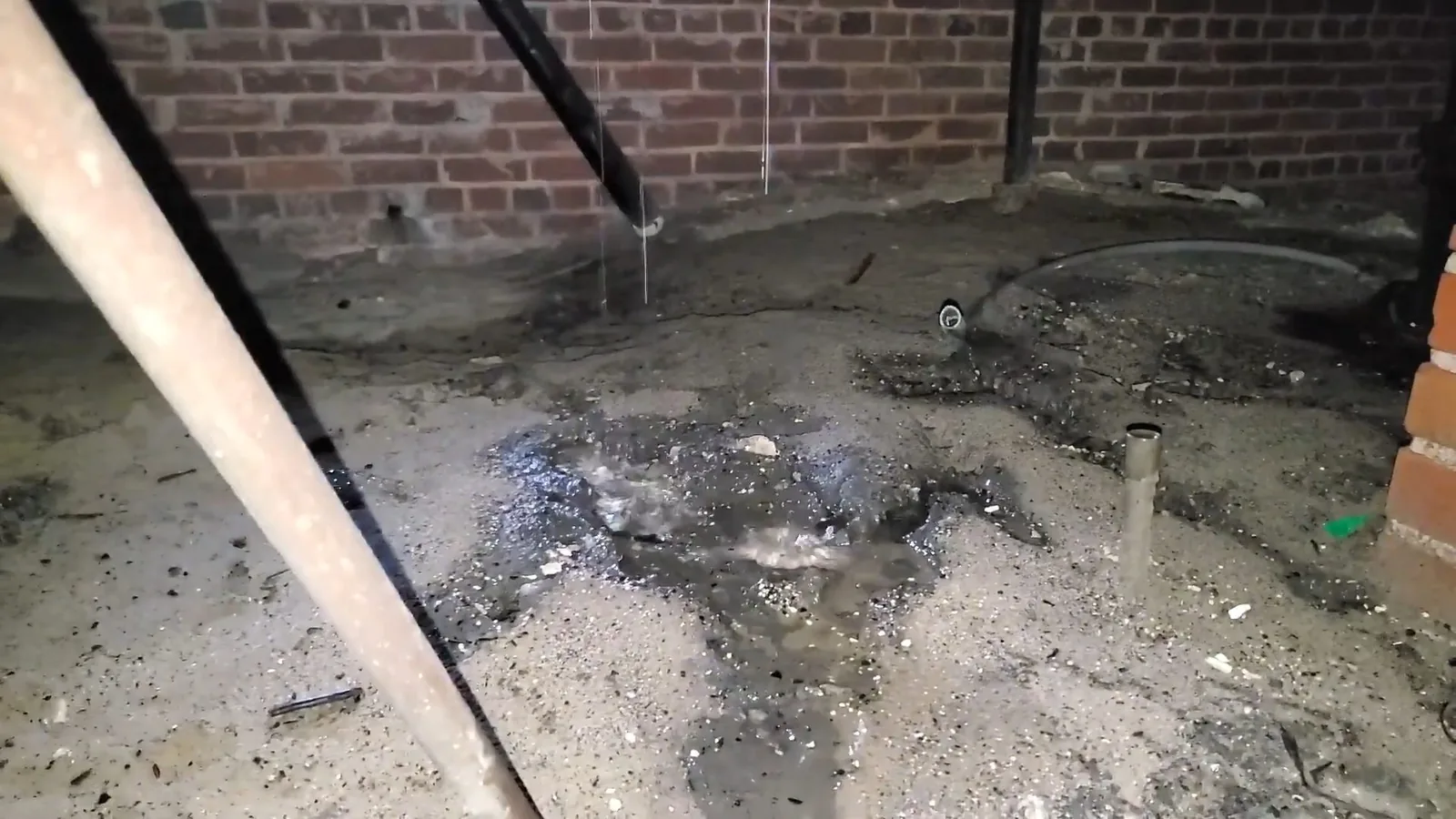
Small leaks often announce themselves long before there is a puddle. Look for these:
- A water bill that rises without a change in use.
- A meter that keeps moving when every fixture is off.
- Stains, bubbling paint or warped baseboard on a wall or ceiling.
- A musty smell, or mold that returns after cleaning.
- The sound of running water when nothing is on.
- A warm spot on a floor, or low pressure at one or more fixtures.
A single sign is a reason to look further, not a diagnosis. The same stain can come from a roof, a window or a pipe, and the same bill can come from a leaking toilet.
A meter test you can do yourself
The water meter shows whether water is moving through the house, which separates a leak from heavy use.
- Turn off every fixture and appliance, including the ice maker and any irrigation.
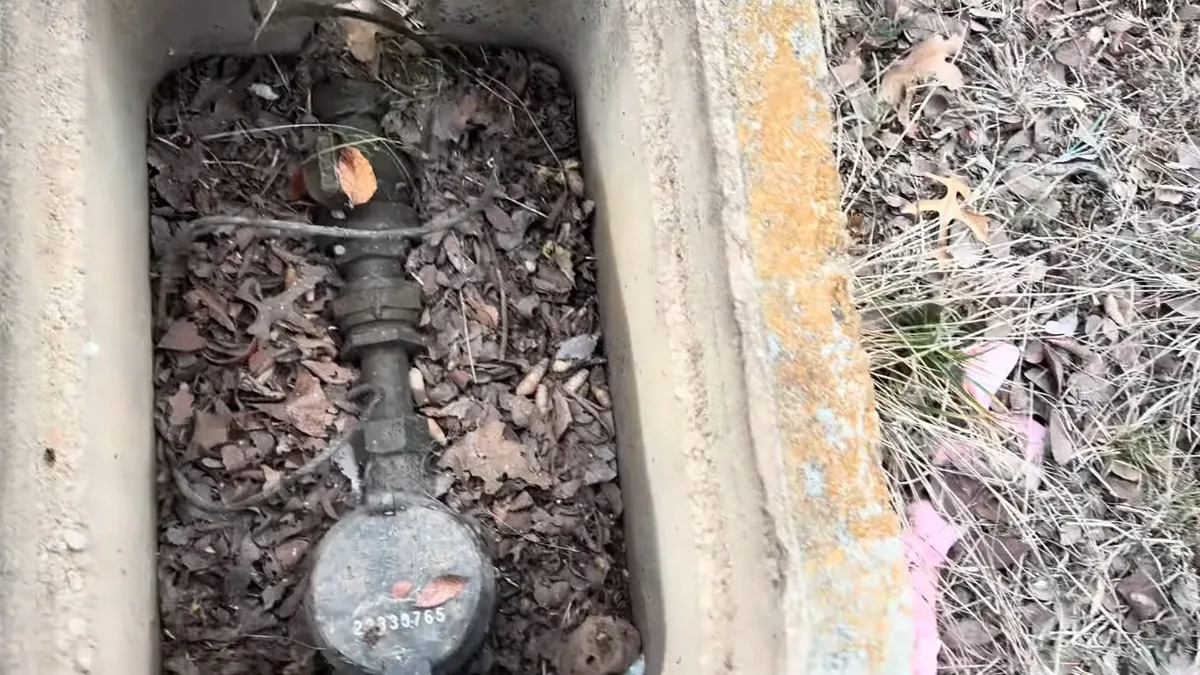
- Find the meter and note the reading and the small dial or low-flow indicator.
- Wait 15 to 30 minutes without using any water, then read it again.
- If the dial moved, water is escaping somewhere. If it did not, the problem is likely not a continuous leak.
A moving meter tells you there is a leak but not where. If it moves with every house fixture off, close the main shutoff and check again. If it stops, the leak is inside the house. If it keeps moving, the leak is on the line between the meter and the house. The city's Water Department at 801-298-6180 can answer questions about your meter and account.
Check the toilets and fixtures first
Many unexplained bills come from the simplest source. A toilet flapper that does not seal can lose a large amount of water without any sound.
Add a few drops of food coloring to the tank and wait. If color shows in the bowl without flushing, the flapper is leaking. Check under sinks, behind the washing machine and around the water heater for drips. A fixture leak usually needs a toilet fix or a faucet repair, not detection equipment.
- Toilet: the dye test above.
- Faucets and supply lines: look for drips, corrosion or damp cabinets.
- Water heater: check the base and the relief valve line. If it is wet, the symptoms are listed under a leaking or failing tank.
How a plumber finds a hidden leak
When the simple checks come up empty, plumbers use equipment that finds a leak without opening the wall.
| Method | What it detects | Used for |
|---|---|---|
| Acoustic listening | The sound of water escaping under pressure | Pressurized lines in walls, floors and buried pipes |
| Thermal imaging | Temperature differences caused by water | Hot water lines, radiant heat and damp areas behind surfaces |
| Moisture meter | Moisture content in a surface | Walls, ceilings and flooring |
| Pressure test | A drop in pressure on an isolated line | Confirming a leak and isolating which line it is on |
| Tracer gas | Gas escaping from a pressurized line | Hard-to-find leaks in buried or enclosed lines |
No single method finds every leak. Plumbers usually combine two or three to confirm a location before opening anything.
Where leaks hide in a house
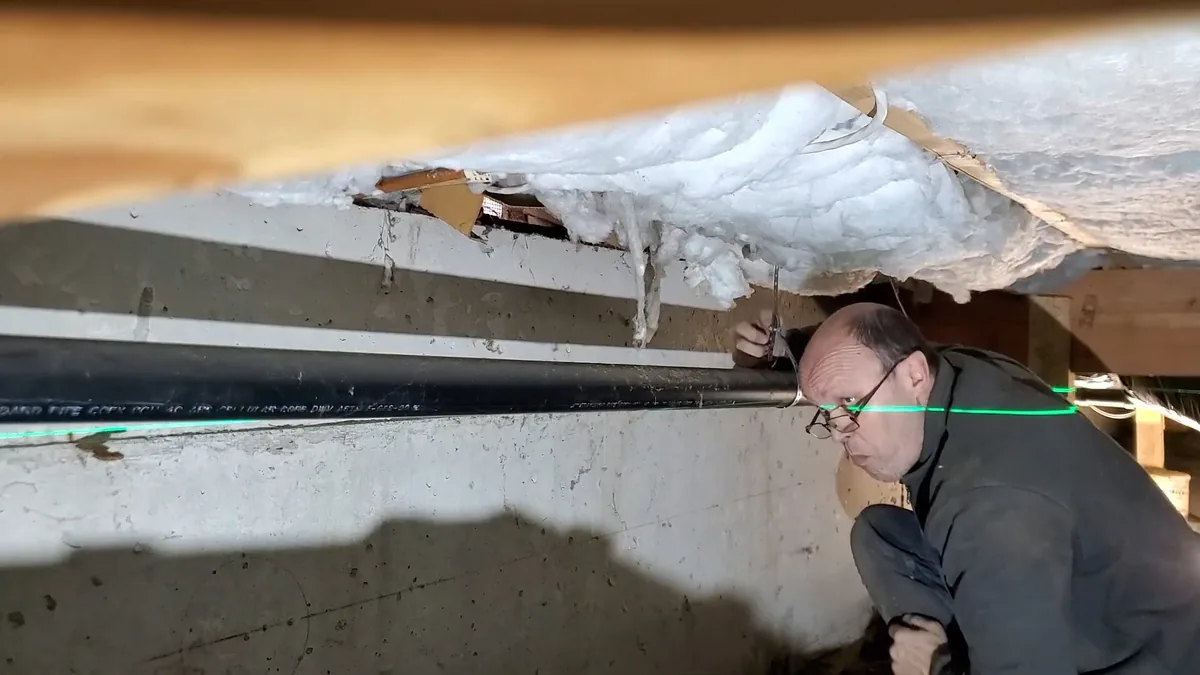
Knowing the usual places narrows the search.
- Behind walls: supply lines and drain lines to bathrooms and kitchens.
- In ceilings: a leak from an upper bathroom, a roof or an air conditioning line.
- Under floors: crawl space lines or pipes under a slab. Slab-specific leaks are covered on the slab leak repair page.
- Outdoors: irrigation lines, hose bibs and the service line from the meter to the house.
- Copper pinholes: tiny holes in older copper that spray fine mist inside a wall.
A leak that has already burst a pipe and is flooding a space is a different situation and is covered on the burst pipe repair page. Shut off the main and call.
Outdoor, irrigation and pool leaks
Not every leak is inside the house. A sprinkler zone with a broken head or buried line can raise a bill without leaving a visible wet spot, and the meter test above will show it. Pool and spa plumbing can also leak. Describe the symptom to the plumber so the right equipment is sent.
If you smell gas, that is not a water leak. Leave the building and call the gas utility from outside. Gas detection and repair are covered on the gas line repair page, and are not part of water leak detection.
What happens once the leak is found
Detection finds the location. Repair is a separate step that depends on what was found. A leaking fixture gets a fixture repair, a pipe with a pinhole gets a repair or a section replaced, and a line that keeps failing may point to replacing the pipes. Water that has already damaged a wall or floor may also need water damage restoration.
Ask the plumber to show you what was found, with a photo or the meter reading, so the repair plan matches the finding.
Keep a leak log: photos, meter readings and bill changes
Write down what you find as you go. A short log helps the plumber and, if there is damage, helps anyone who has to review it later.
- Photos of stains, damp areas and the meter reading, with the date.
- The meter reading before and after the test, and how long you waited.
- A list of what was on and off during the test.
- Any change in the bill, with the billing period.
If water has already damaged flooring, drywall or belongings, tell your insurance company early and keep the plumber's written findings. Whether a policy covers a particular leak depends on the policy, so ask the insurer rather than assuming.
Questions on methods, scope and restoration before booking
A short list keeps the visit focused.
- Which methods will be used and what they cost to run.
- Does the quote cover finding the leak only, or finding and repairing it.
- Will walls or floors be opened, and who restores them.
- What will you give me when the leak is found, such as a photo, a location or a report.
License details are available on request before work begins. Typical ranges are on the leak detection price ranges, and the plumber confirms the price after hearing the symptoms.
Tell the plumber what you see, hear or read on the meter.
Call (833) 840-2034Ready to find the leak?
Call (833) 840-2034 and describe the symptom and what the meter does with everything off. A plumber will explain which test or equipment fits.